Tantan Ramen “Tsuchinotomi” at BASEGATE Yokohama Kannai: Refined Shoyu and Chilled Dashi Ramen Near Kannai Station

This is our review of Tsuchinotomi (Maps), visited in August 2026.
Looking for an excellent ramen lunch near Kannai Station in Yokohama? I recently visited Tanrei Ramen Tsuchinotomi BASEGATE Yokohama Kannai, a polished ramen specialist serving clear, deeply flavorful bowls that feel satisfying without being heavy.
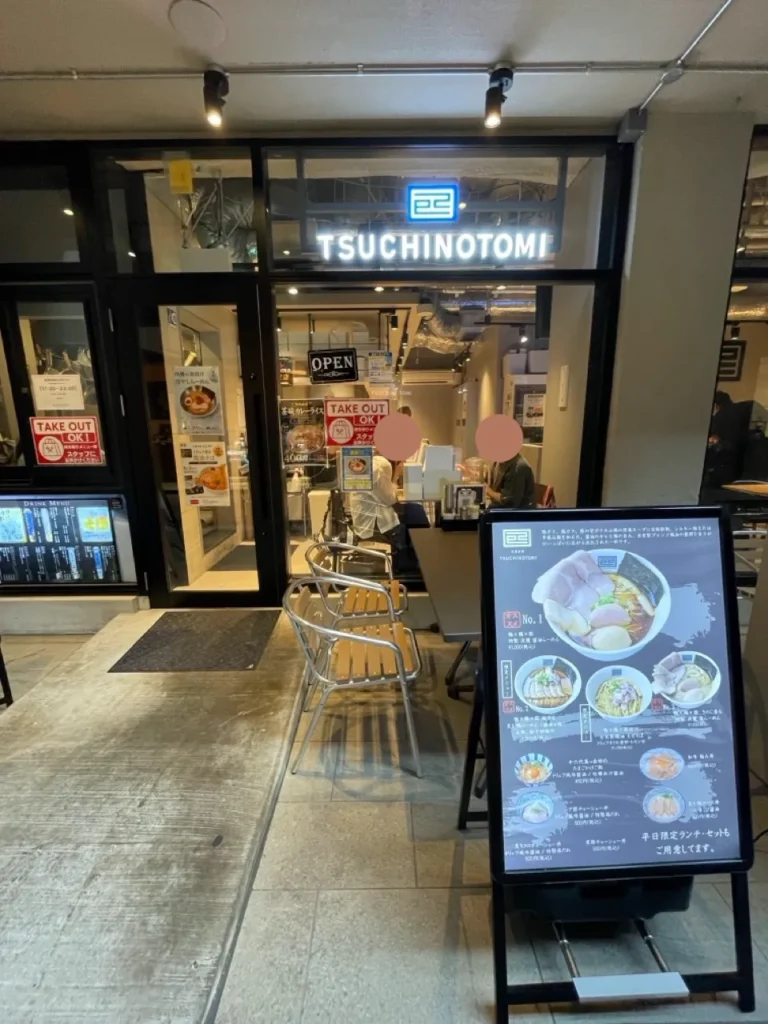
Located inside the new BASEGATE Yokohama Kannai dining area, this branch brings the much-loved style of Tsuchinotomi’s Noge shop right to the station front. On this visit, I tried two contrasting bowls: the flavorful Ajitama Shoyu Ramen with whole-wheat noodles and the refreshing Chilled Ramen with Four Types of Dashi in Salt Broth. Both showed just how compelling delicate, layered ramen can be.
A Refined Ramen Stop Near Kannai Station
Tsuchinotomi is known for tanrei ramen—a style of Japanese ramen built around a clear broth with clean, carefully layered flavor. Rather than relying on heaviness or excessive richness, the restaurant builds complexity through the umami of duck, chicken, and pork.
The BASEGATE Yokohama Kannai branch is on the first floor of The Legacy, a dining zone beside the stadium in the redeveloped former Yokohama City Hall district. Its station-front location makes it an easy choice before or after an event, during a workday break, or for a relaxed weekend lunch in Kannai.
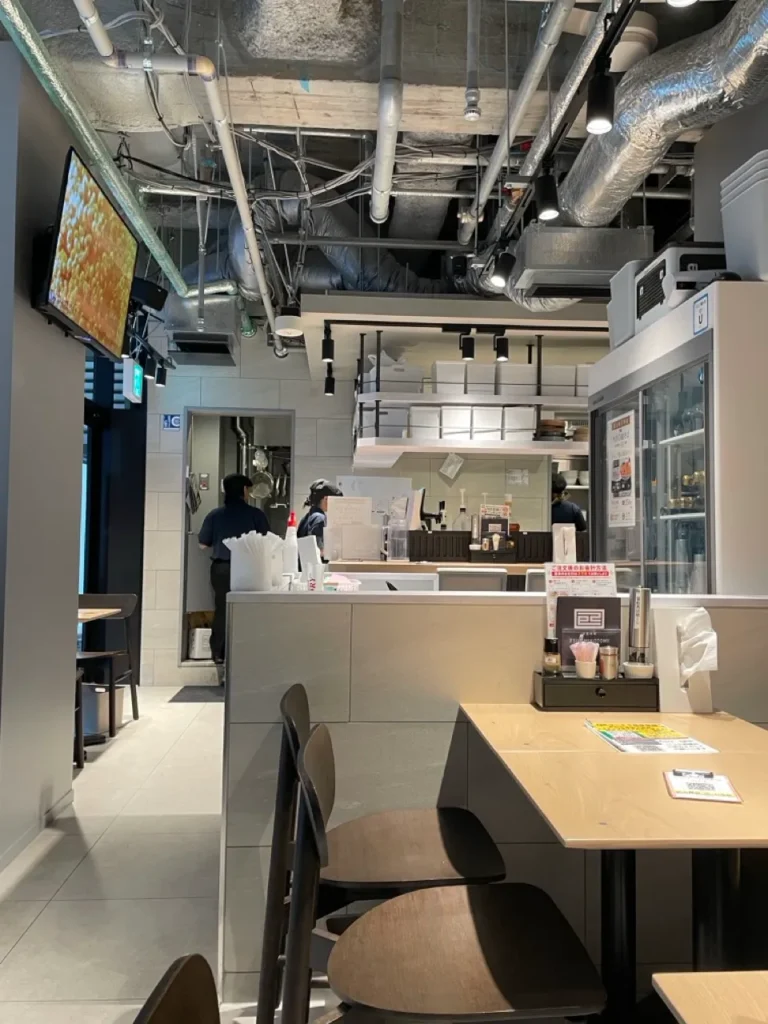
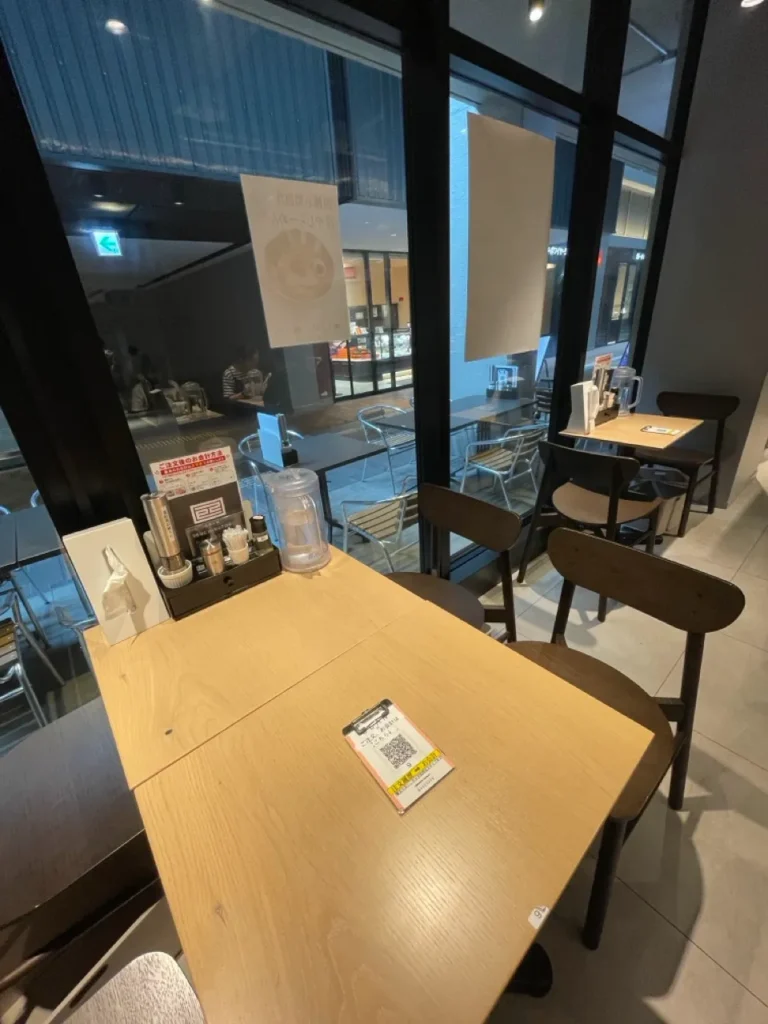
What I appreciate most about this ramen shop is its restraint. Every element feels intentional: the broth remains transparent in taste as well as appearance, the noodles have their own character, and the toppings add depth without taking over the bowl.
With hours running from 11:00 a.m. to 11:00 p.m., it is also a convenient option whether you are looking for lunch, an early dinner, or a satisfying bowl after exploring Yokohama.
Ajitama Shoyu Ramen With Whole-Wheat Noodles
I started with the signature-style shoyu ramen, choosing the whole-wheat noodles. It arrived with a crystal-clear broth and a gentle aroma rising from the surface—an immediate signal that this would be a ramen focused on detail rather than excess.
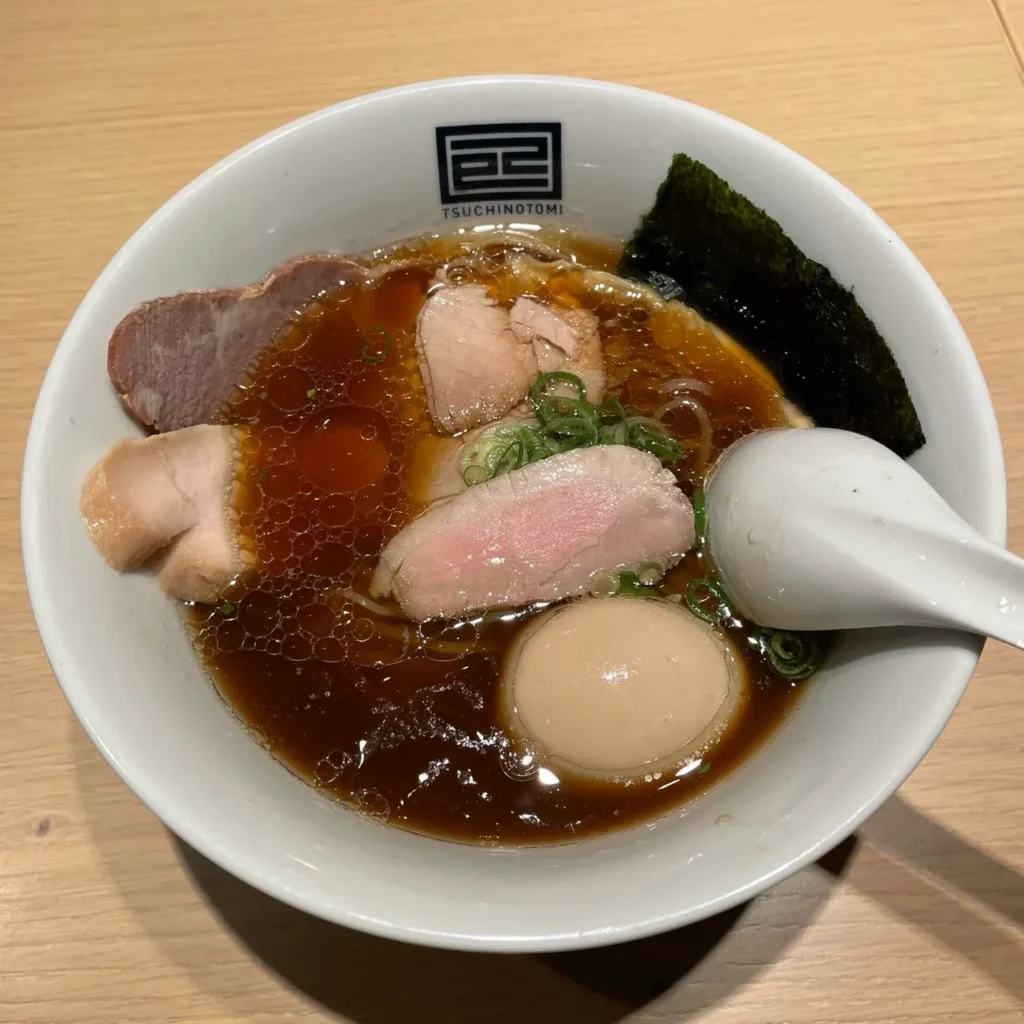
The first sip delivers the clean, precise edge of soy sauce. Soon afterward, the deeper notes of duck, chicken, and pork gradually emerge. The broth is light in body, yet it does not taste thin. Instead, it has a quiet fullness that develops as you drink, with an elegant savory finish that never becomes greasy or overwhelming.
This is the kind of soup that makes me want to keep reaching for another sip between bites of noodles. It has enough complexity to hold my attention, but it stays exceptionally easy to drink.
The Flavor of Whole-Wheat Noodles
The whole-wheat noodles are medium-thin and lightly speckled with wheat bran. Their pale brown color gives them a rustic appearance, while their texture is remarkably neat and refined.
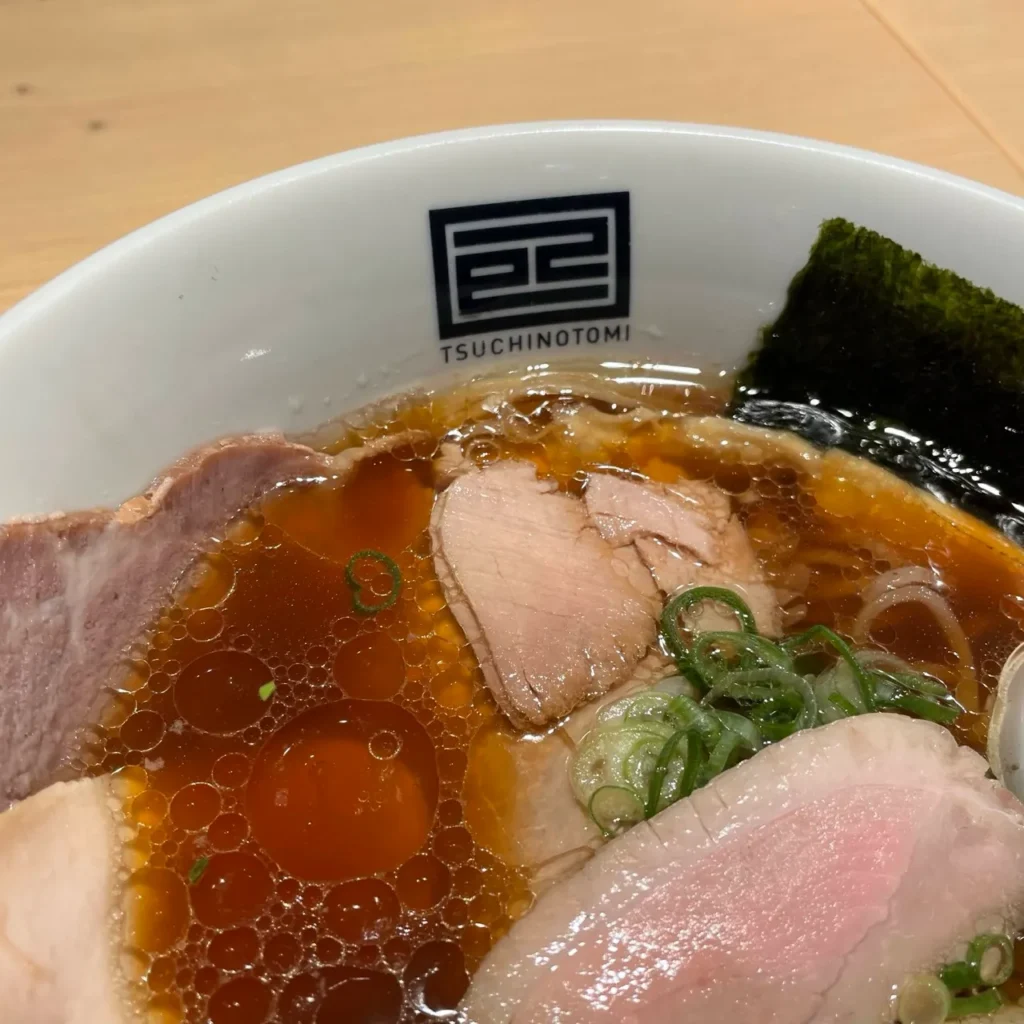
They are smooth on the surface but retain a pleasing firmness at the center. Each bite has a clean snap, followed by the nutty aroma and subtle sweetness of wheat. Because the noodles do not absorb too much broth, I could clearly enjoy both the fragrance of the grain and the delicate character of the clear shoyu soup.
For me, this balance is the highlight of the bowl. The noodles are not merely a vehicle for the soup; they actively contribute their own toasted wheat flavor and satisfying chew.
Ajitama, Chashu, and Toppings
The seasoned soft-boiled egg adds a welcome touch of richness. Its yolk is full and creamy, lightly infused with soy-based seasoning, and it gives the otherwise clean bowl an extra layer of savory depth.
The low-temperature chashu is tender and gently aromatic, with a soft, slightly rosy center. It has enough pork flavor to feel luxurious, but it never weighs down the delicate broth. Menma and the accompanying garnishes are also used with care, adding texture and aroma while keeping the spotlight on the soup and noodles.
If you are ordering only one warm bowl at Tsuchinotomi, the Ajitama Shoyu Ramen with whole-wheat noodles is an excellent choice. It is classic, balanced, and deeply comforting without leaving me sluggish afterward.
Chilled Ramen With Four Types of Dashi and Salt
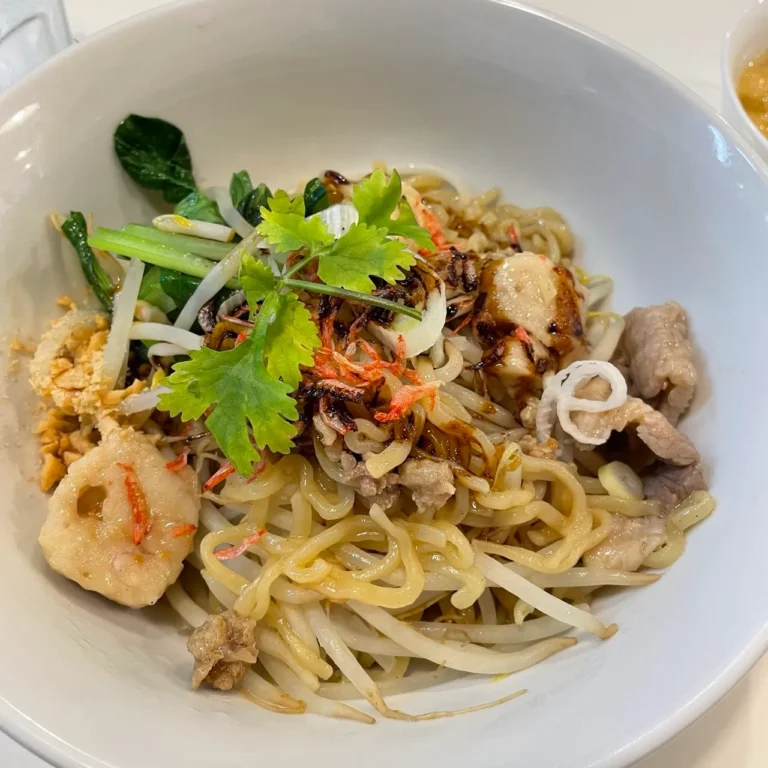
For a completely different experience, I also tried the Chilled Ramen with Four Types of Dashi in Salt Broth. This is the kind of bowl I would especially recommend on a warm Yokohama day, when a hot and rich ramen may feel like too much.
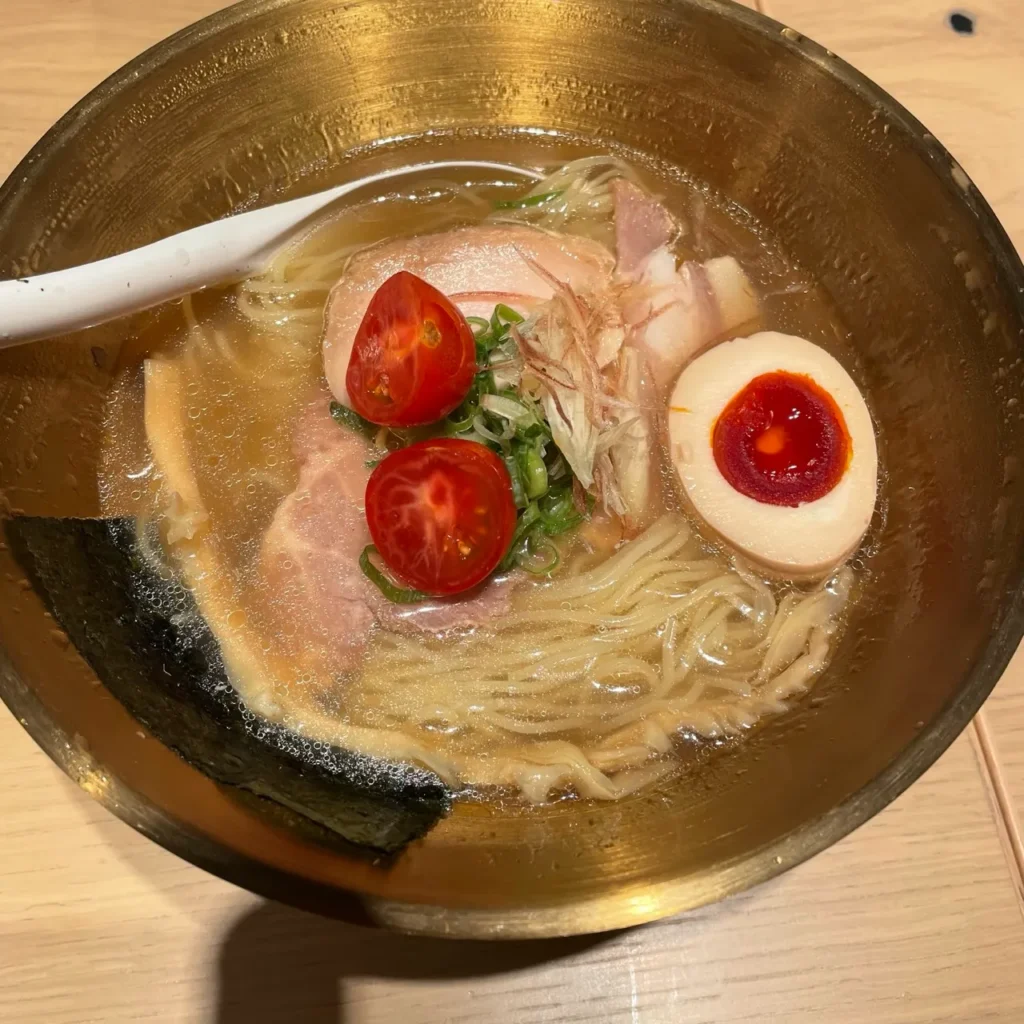
The chilled broth makes the dashi feel even more focused. Rather than blurring the flavors, the cold temperature sharpens them. The umami unfolds gradually, with a clean, composed character that suggests a thoughtful combination of ingredients from both land and sea.
The salt seasoning is not aggressively salty. Instead, it works like a frame around the broth, helping the individual dashi notes come through with clarity. I first noticed a refreshing coolness, followed by a slow-building wave of umami, and finally a light, clean finish that disappeared without lingering heaviness.
It is a bowl that feels precise and refreshing from the first sip to the last.
Why the Chilled Bowl Works
Cold ramen is not simply regular ramen served at a lower temperature. When done well, it emphasizes different qualities in the ingredients—and that is exactly what happens here.
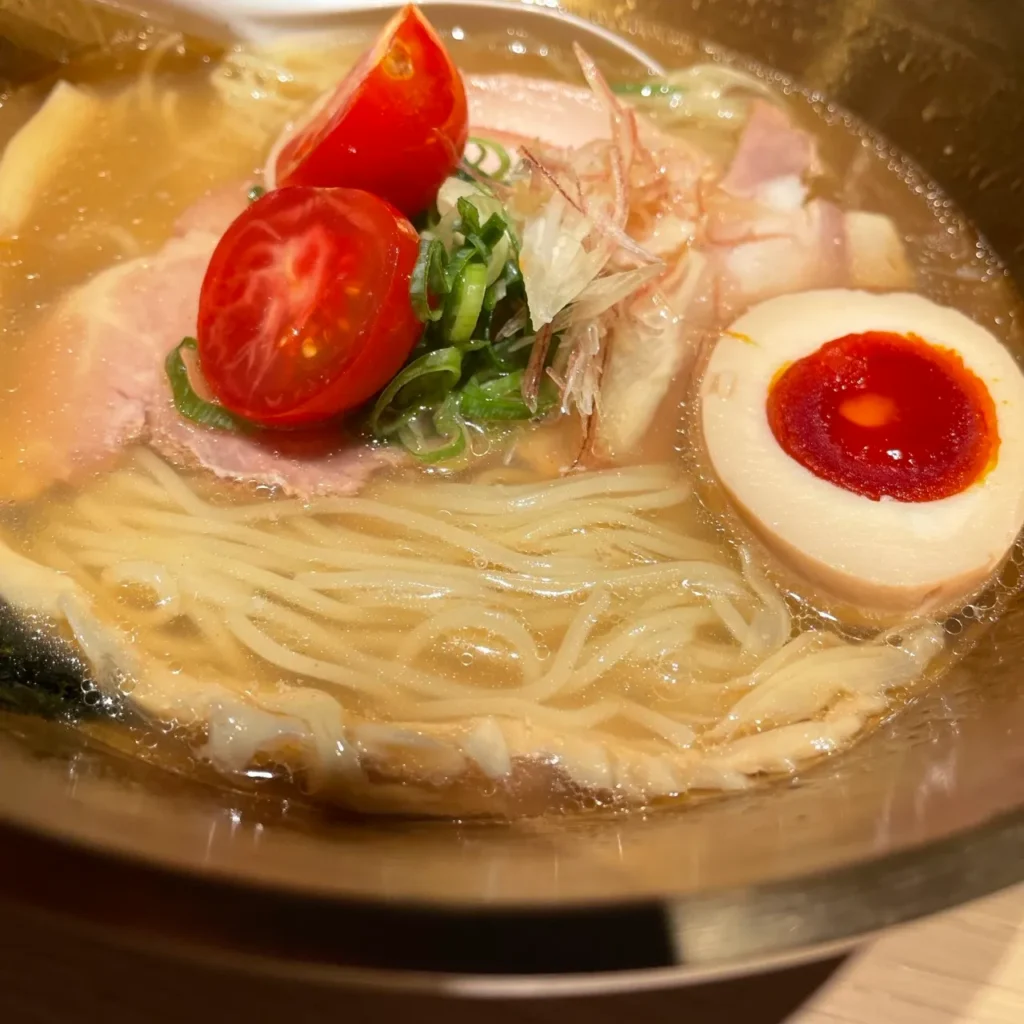
The noodles, tightened in cold water, have more tension and bounce than they do in the hot shoyu ramen. Their surface feels silky, while each bite has a crisp, springy resistance. The wheat aroma is also easier to notice because the chilled broth does not coat the palate as heavily.
Trying the two bowls side by side is one of the best ways to understand Tsuchinotomi’s strengths:
| Ramen bowl | Best feature | Overall impression |
|---|---|---|
| Ajitama Shoyu Ramen with whole-wheat noodles | Rounded, layered umami from the clear broth | Warm, savory, and elegant |
| Chilled Four-Dashi Salt Ramen | Clean definition and refreshing dashi flavor | Cool, light, and highly refreshing |
The warm shoyu bowl highlights the expansive richness of the umami, while the chilled salt bowl highlights the clear outline of the dashi. Both are delicate, but they express delicacy in entirely different ways.
Why I Recommend Tsuchinotomi in Kannai
Tsuchinotomi is a great choice when I want ramen that feels carefully made and genuinely restorative. It may not be the place to visit when I am craving the heaviest possible tonkotsu broth or an intensely rich bowl loaded with fat. Instead, it shines when I want to enjoy the aroma of wheat noodles, the subtle depth of stock, and the lingering finish of a well-balanced soup.
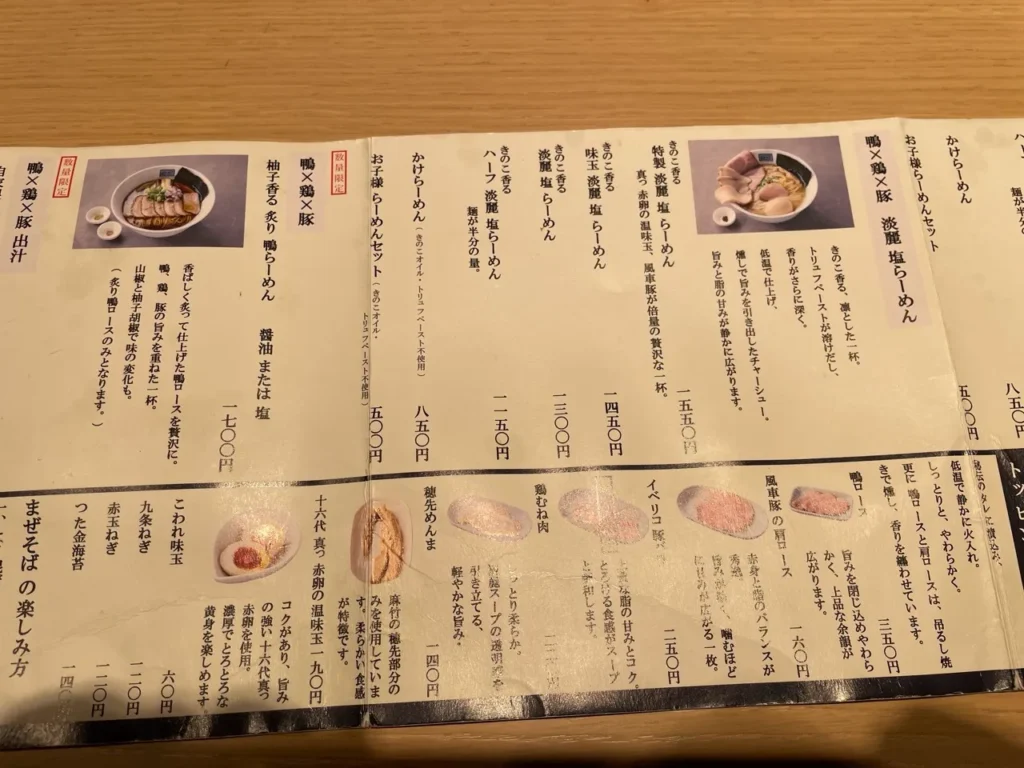
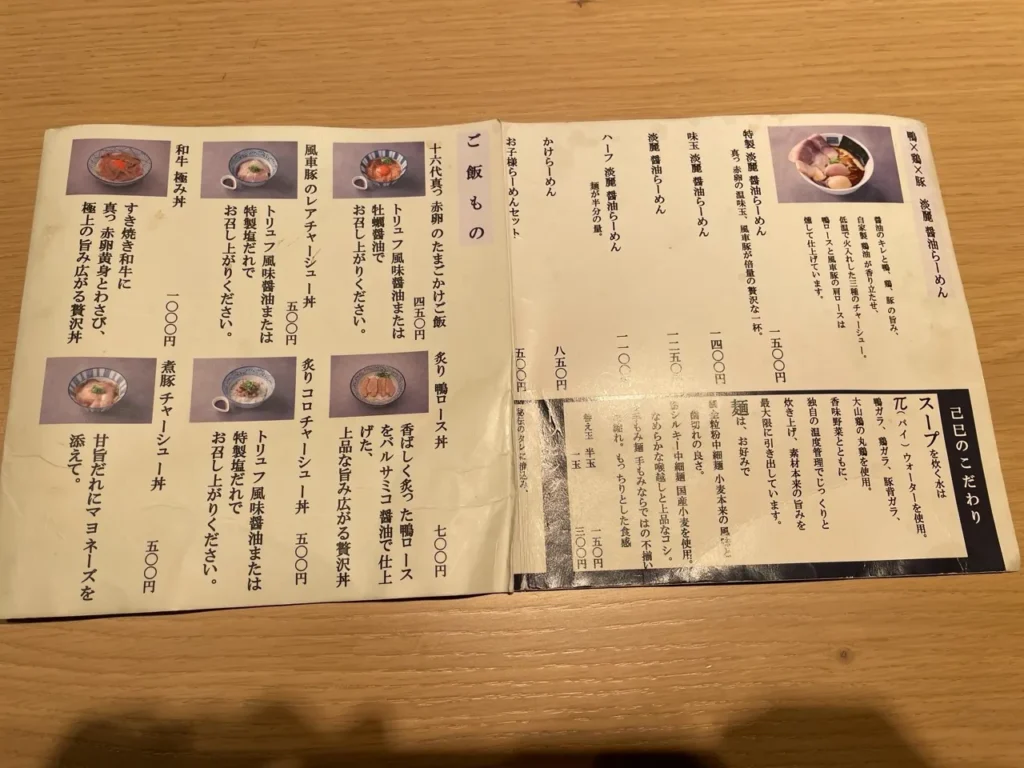
The restaurant’s appeal comes from its ability to make a light bowl feel complete. The broth has layers, the noodles have personality, and the toppings are thoughtfully restrained. It is ramen that rewards slow eating—but it is also accessible enough for a quick lunch near Kannai Station.
Final Thoughts
For a memorable Kannai ramen lunch, Tanrei Ramen Tsuchinotomi at BASEGATE Yokohama Kannai deserves a place on your list. The whole-wheat Ajitama Shoyu Ramen offers a beautiful balance of fragrant noodles, clear soy sauce broth, and layered meat-based umami. Meanwhile, the Chilled Four-Dashi Salt Ramen is a refreshing seasonal option with a crisp texture and clean, lingering depth.
Whether I am stopping by before an event, taking a break from sightseeing in Yokohama, or simply searching for a lighter but satisfying meal near Kannai Station, this is the kind of ramen shop I would happily return to.