“Amalfi Novello” Shin-Yokohama: A Colorful Italian Pasta Lunch with Shonan Flavors

This is our review of Amalfi Novello (Maps), visited in September 2026.
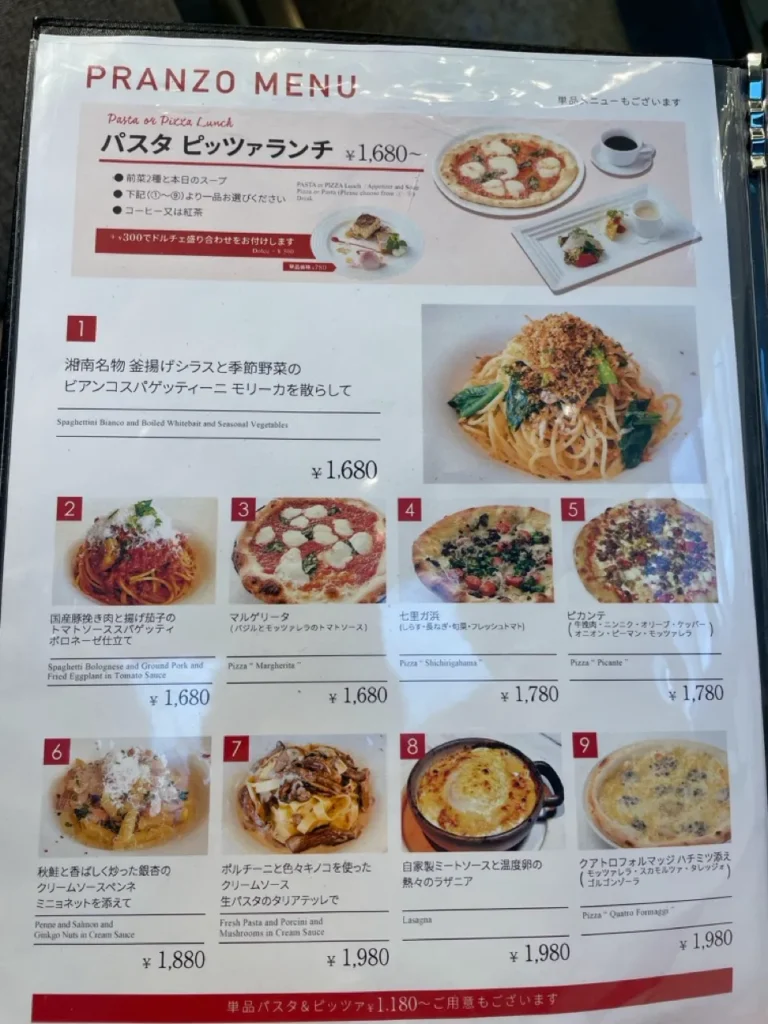
For an Italian lunch at Shin-Yokohama Station, Amalfi Novello offers a chance to explore the flavors of Shonan without leaving the station building. Two pasta dishes particularly catch my attention: spaghetti bianco with boiled whitebait and seasonal vegetables, and tomato-based spaghetti Bolognese with Japanese ground pork and fried eggplant.
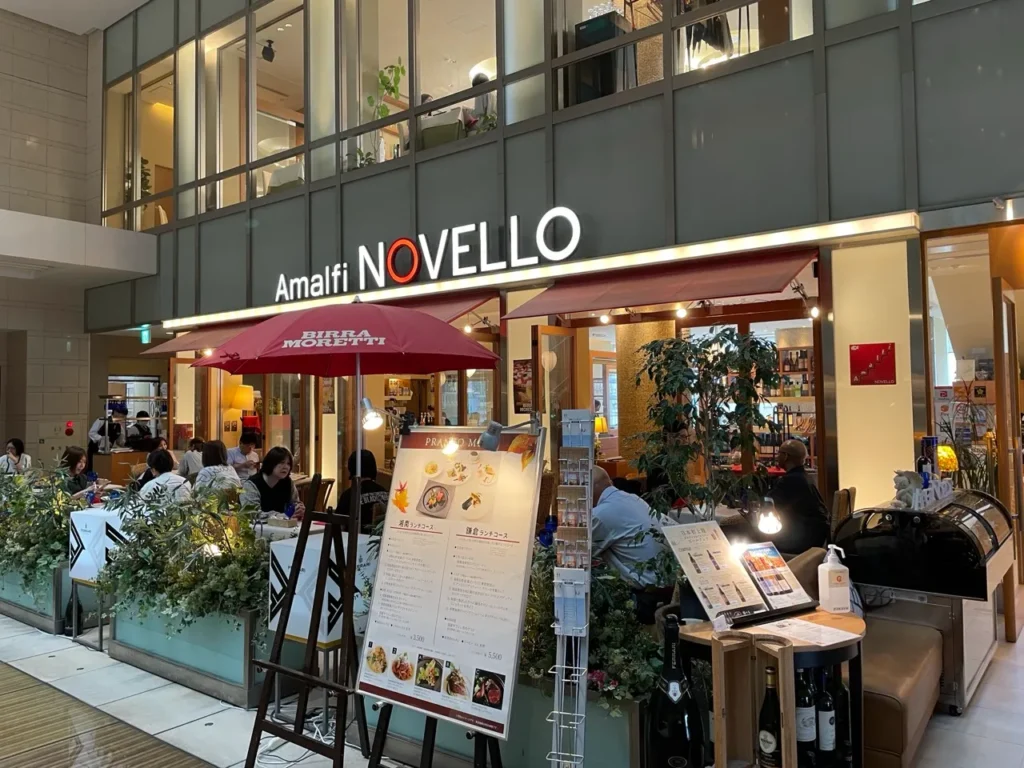
One promises a delicate combination of seafood and vegetables; the other suggests a richer, more satisfying lunch. Here, I take a closer look at what makes these dishes—and the restaurant’s convenient setting—so appealing.
Shonan-Inspired Italian at Shin-Yokohama Station
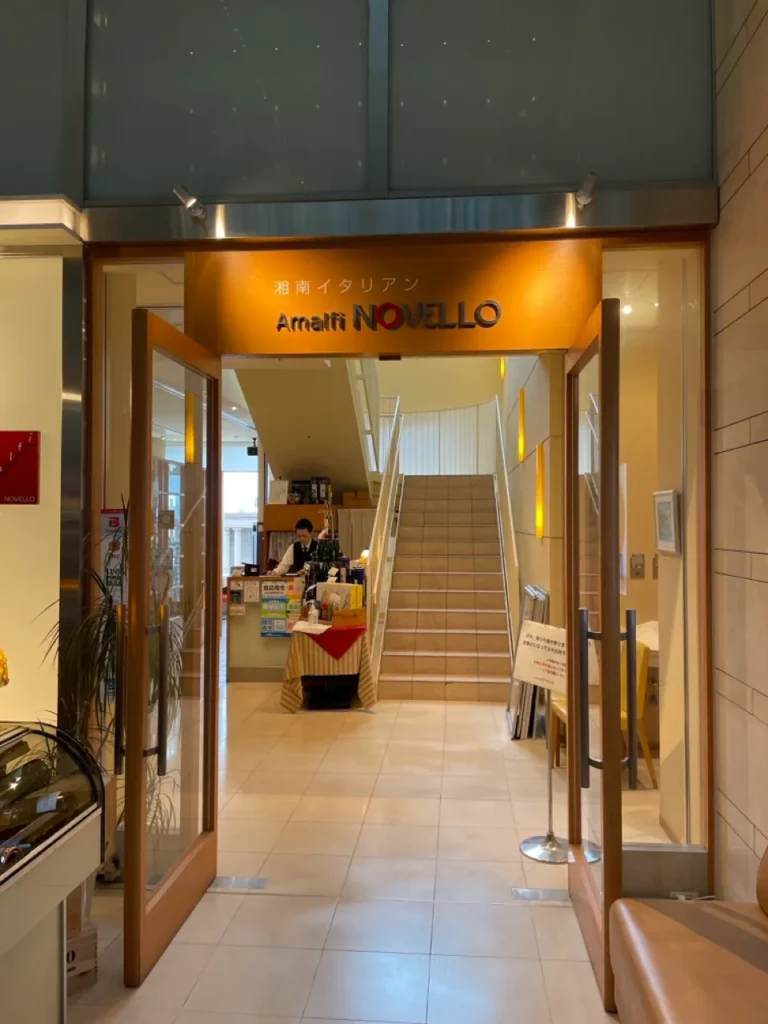
Amalfi Novello sits on the 10th floor of Cubic Plaza Shin-Yokohama, directly connected to Shin-Yokohama Station. With access from the Shinkansen, JR trains, and subway services, it is a convenient option for lunch before a journey or after arriving in the city.
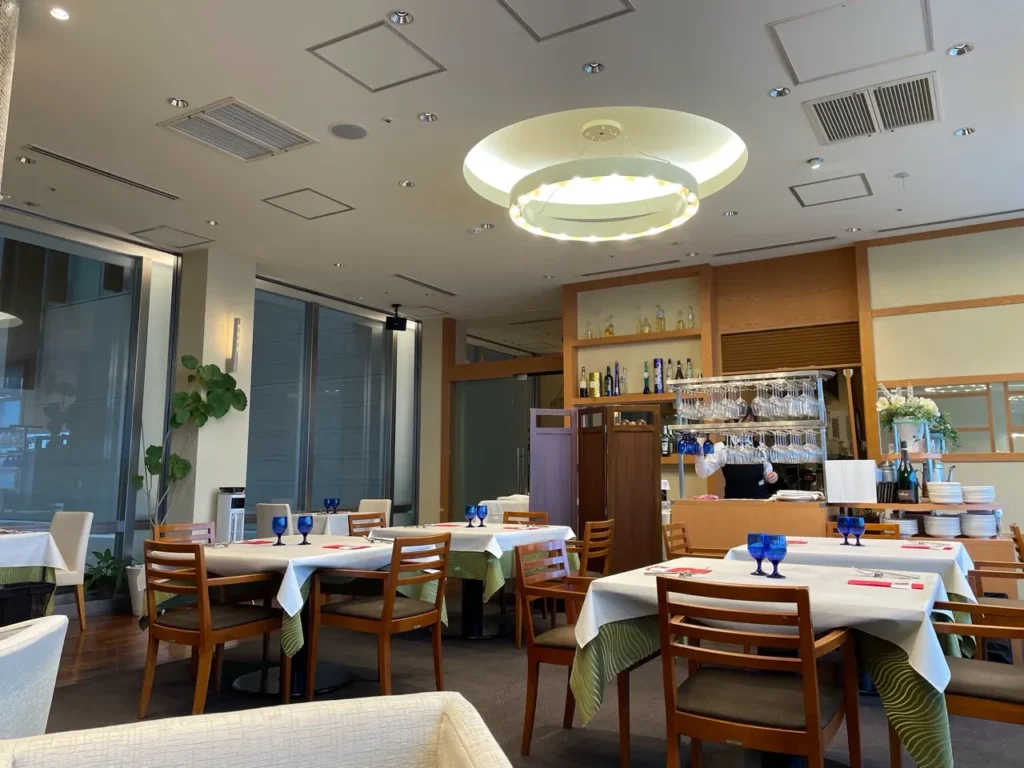
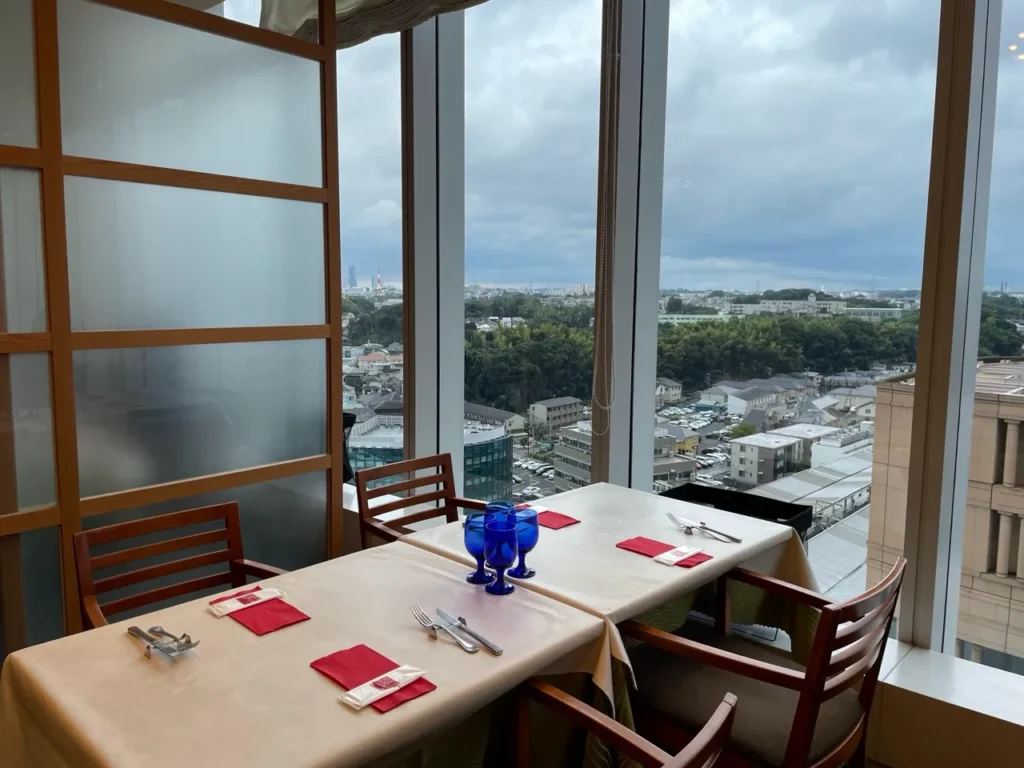
What interests me is the contrast between that busy transport hub and the atmosphere described by the restaurant. Its main dining floor is designed to evoke the feeling of an open sea—a setting that promises a welcome change of pace from the station below.
The restaurant’s approach centers on Italian cooking that makes the most of local ingredients. Its seasonal courses feature fresh fish delivered from Misaki Fishing Port and fresh Yokohama vegetables, bringing together produce from both the sea and the surrounding farmland.
Amalfi Novello is also presented as a sister restaurant of Amalfi, serving simple Italian dishes made with Misaki seafood and vegetables from Kamakura and Miura. Although the available information does not explain the specific story behind its opening, the concept is clear: a taste of the region’s food culture in an accessible Shin-Yokohama setting.
Whitebait and Seasonal Vegetable Spaghetti
The first dish, spaghetti bianco with boiled whitebait and seasonal vegetables, would be my choice when I wanted a lighter pasta lunch with an emphasis on the ingredients themselves.
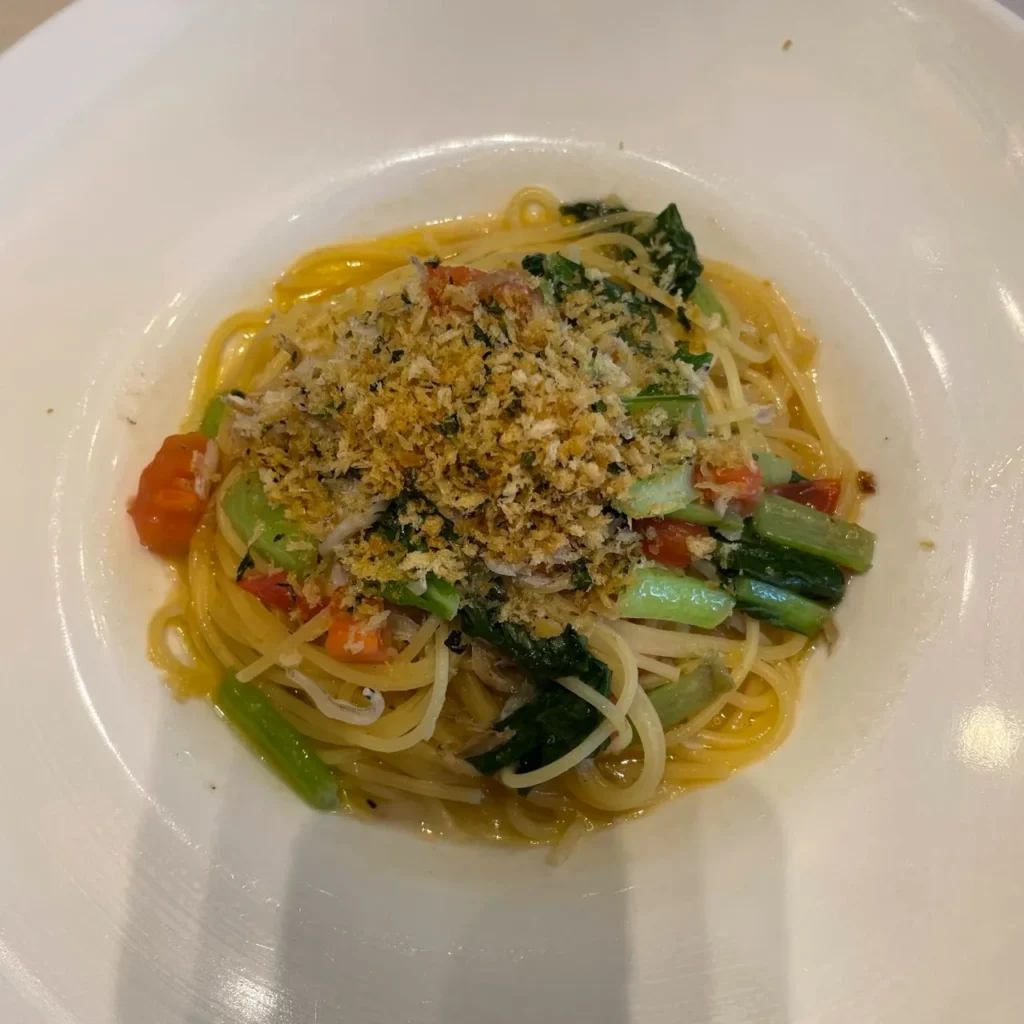
From the name, I picture delicate whitebait scattered over spaghetti, with seasonal vegetables adding color. Without the bold red of a tomato sauce, the pale fish and vibrant vegetables would have more room to stand out. The selection of vegetables could also give the dish a different character as the seasons change.
The flavor I would expect is built around the gentle saltiness and savory depth of the boiled whitebait. Paired with the sweetness or freshness of the vegetables, that combination suggests a pasta that feels subtle rather than heavy.
The potential contrast in textures is just as appealing: soft whitebait, the individual bite of each vegetable, and the firmness of the spaghetti. Rather than relying on a rich sauce, this dish seems designed to let the seafood and vegetables express their own character.
An older customer review mentions enjoying a pasta made with Miura vegetables and whitebait. While I cannot confirm that it was this exact menu item, the comment suggests that the restaurant’s pairing of local vegetables and small fish has left a positive impression.
For me, that is the appeal of this dish: an opportunity to explore regional ingredients through a simple, approachable plate of pasta.
Pork and Fried Eggplant Bolognese
The second option, tomato-based spaghetti Bolognese with Japanese ground pork and fried eggplant, offers a different kind of attraction. Where the whitebait pasta suggests delicacy, this combination promises more richness and substance.
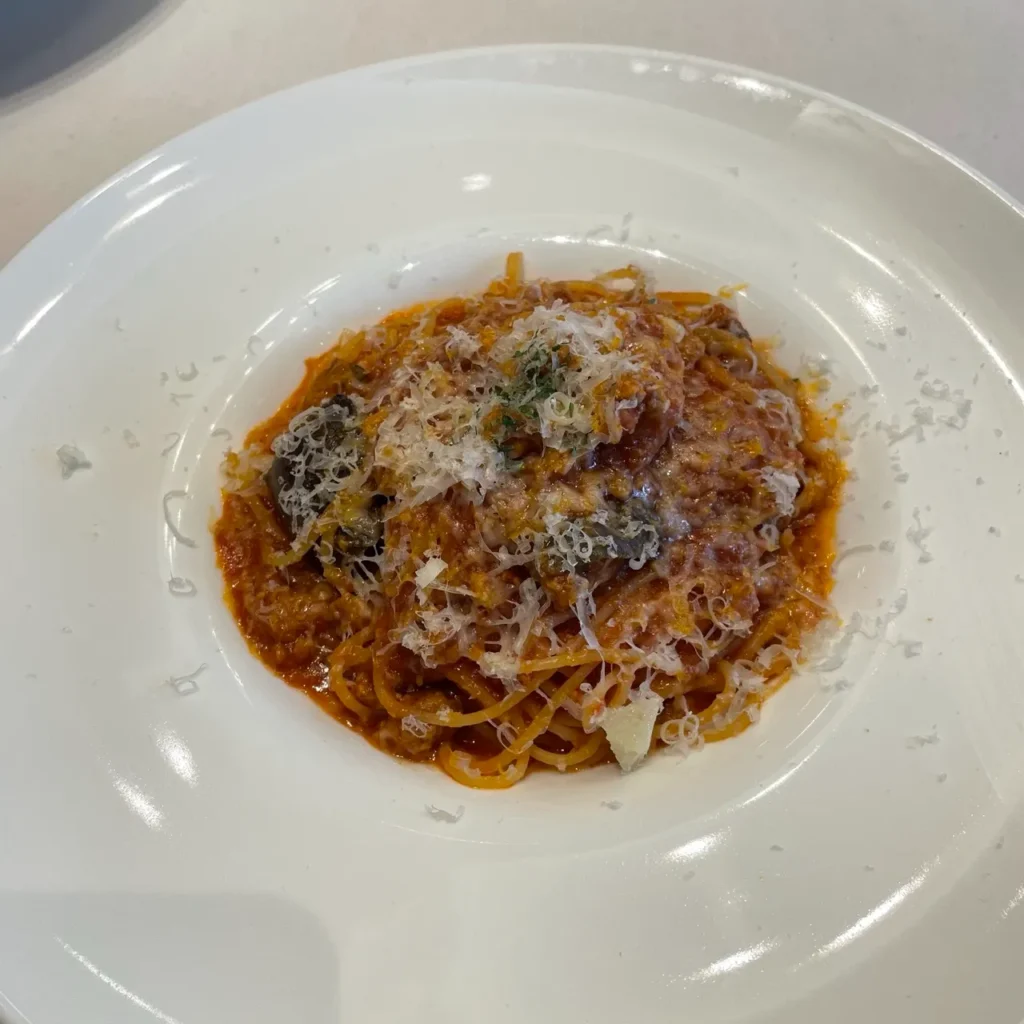
I imagine red tomato sauce coating the spaghetti, with ground pork woven through it and pieces of fried eggplant adding depth and color. It is an inviting combination, with the kind of familiar appeal that makes a tomato-based pasta an easy lunchtime choice.
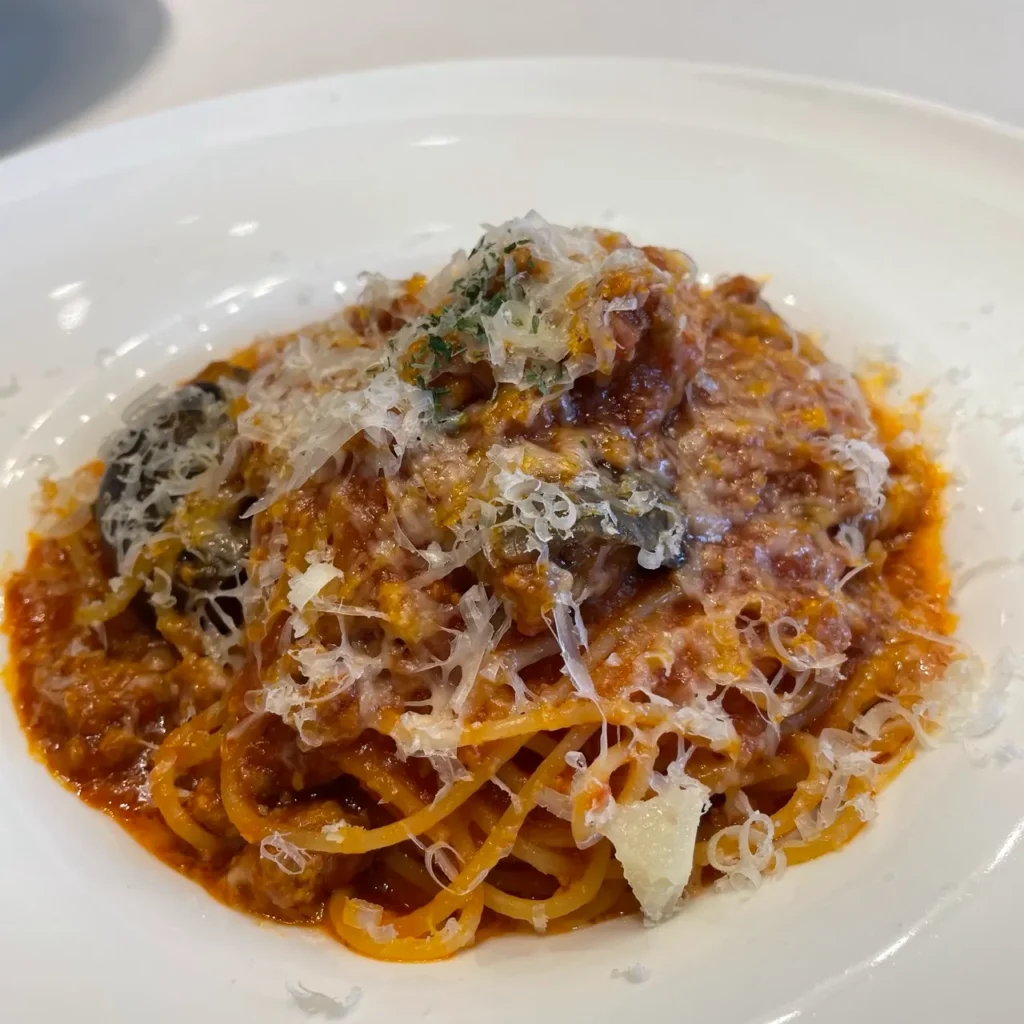
The balance I would look forward to is the acidity of the tomatoes against the savory flavor of the pork. Fried eggplant could add another layer of richness, making the dish feel fuller than a straightforward tomato spaghetti.
Texture is part of that appeal, too. The small pieces of ground pork, the potentially silky softness of the eggplant, and the bite of the pasta suggest a varied mouthful. Eggplant coated in tomato sauce sounds particularly tempting, although its actual texture would need to be confirmed through tasting.
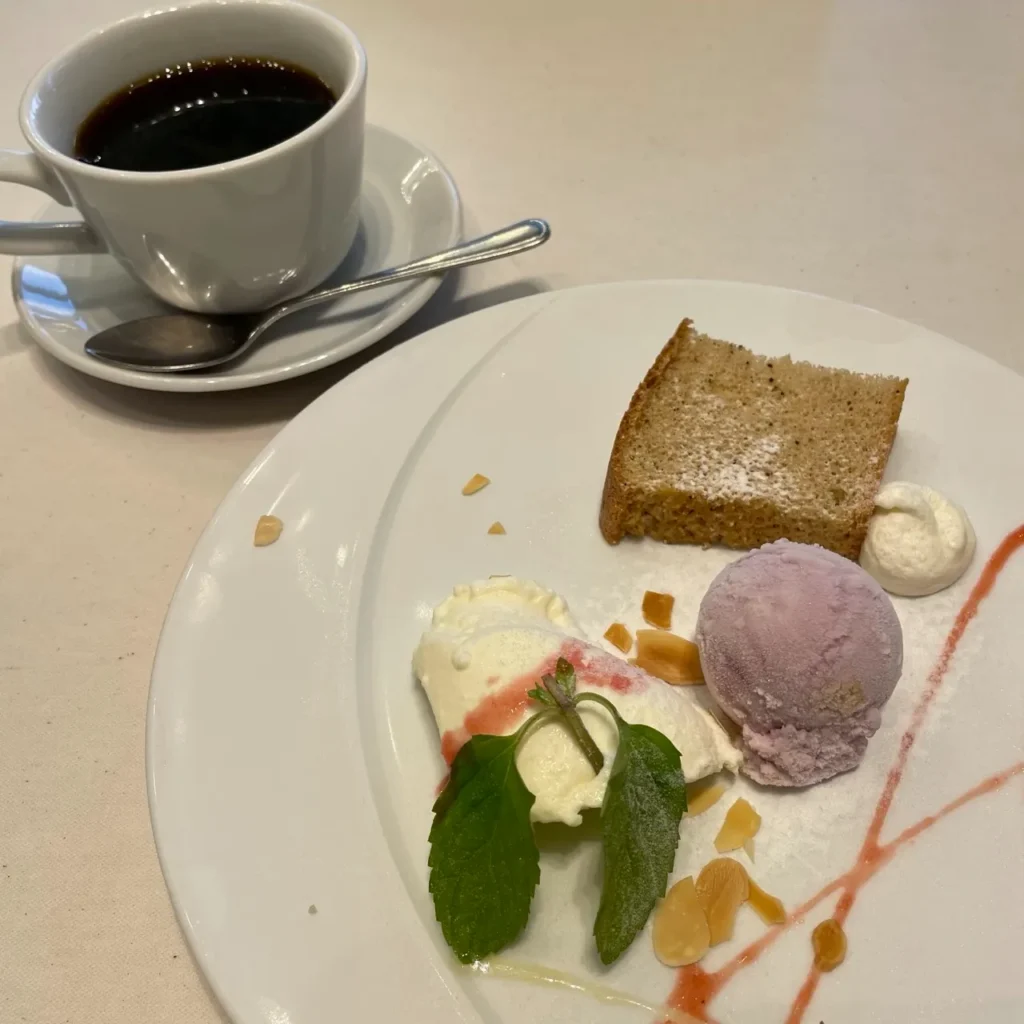
These two pasta dishes offer distinct ways to enjoy lunch at Amalfi Novello. I would lean toward the whitebait and vegetables for a more delicate combination, and toward the pork and fried eggplant when I wanted something heartier.
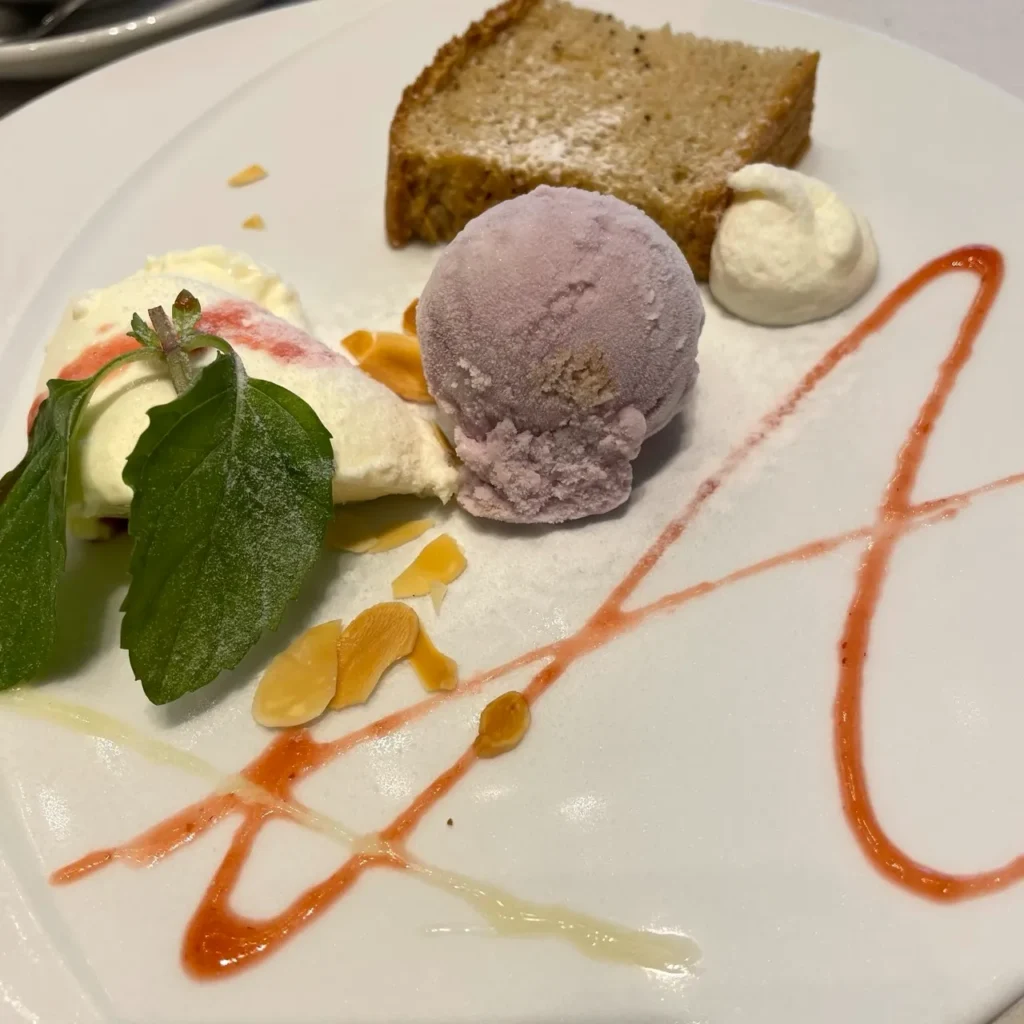
Atmosphere and Lunch Expectations
The dining space is another part of Amalfi Novello’s appeal. Past customer reviews describe an indoor open-terrace area within the building’s atrium as spacious and airy. Others mention being able to enjoy an unhurried meal despite the restaurant’s direct connection to the station.
Those comments suggest a restaurant worth considering not only for its pasta, but also for the chance to sit down and take a proper break during a travel day.
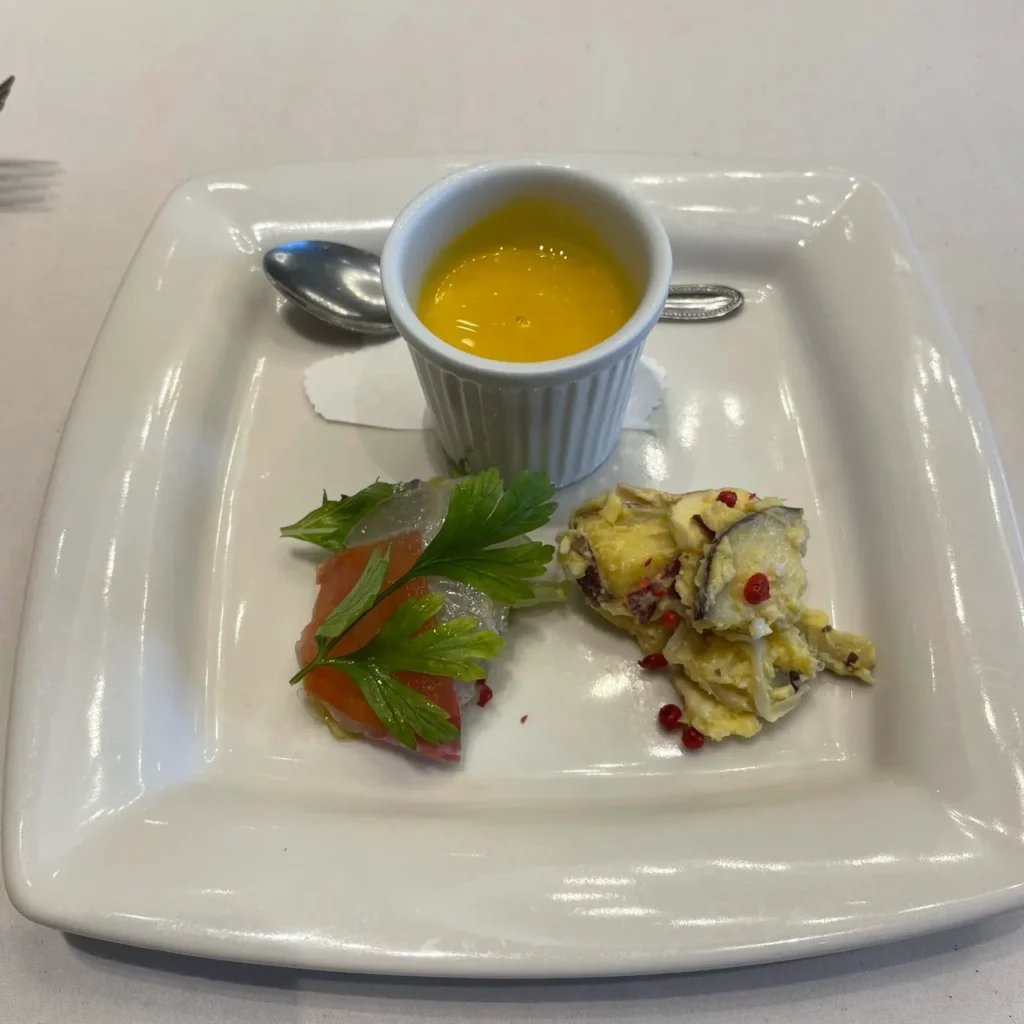
One published review describes a pasta lunch set with an attractively arranged appetizer plate featuring three small dishes. However, the set contents for the lunch discussed here have not been confirmed, so I would not assume that the same appetizer selection is included.
Reviews also reveal differing opinions. Some diners appreciate the regional vegetables and lighter pasta dishes, while others are more reserved about flavor or portion size. I would therefore approach Amalfi Novello as a place where the location, atmosphere, and ingredient combinations matter alongside the richness or volume of the meal.
What draws me most is the choice between two contrasting plates: whitebait and seasonal vegetables for a lighter lunch, or Japanese pork and fried eggplant for a more substantial one. In a station-connected setting, Amalfi Novello offers an appealing opportunity to slow down and discover Shonan-inspired Italian food in Shin-Yokohama.