“Nemuro Hanamaru Sushi”: A Dinner at the Original Restaurant in Hokkaido

This is our review of “Nemuro Hanamaru Sushi“ (Maps), visited in September 2026.
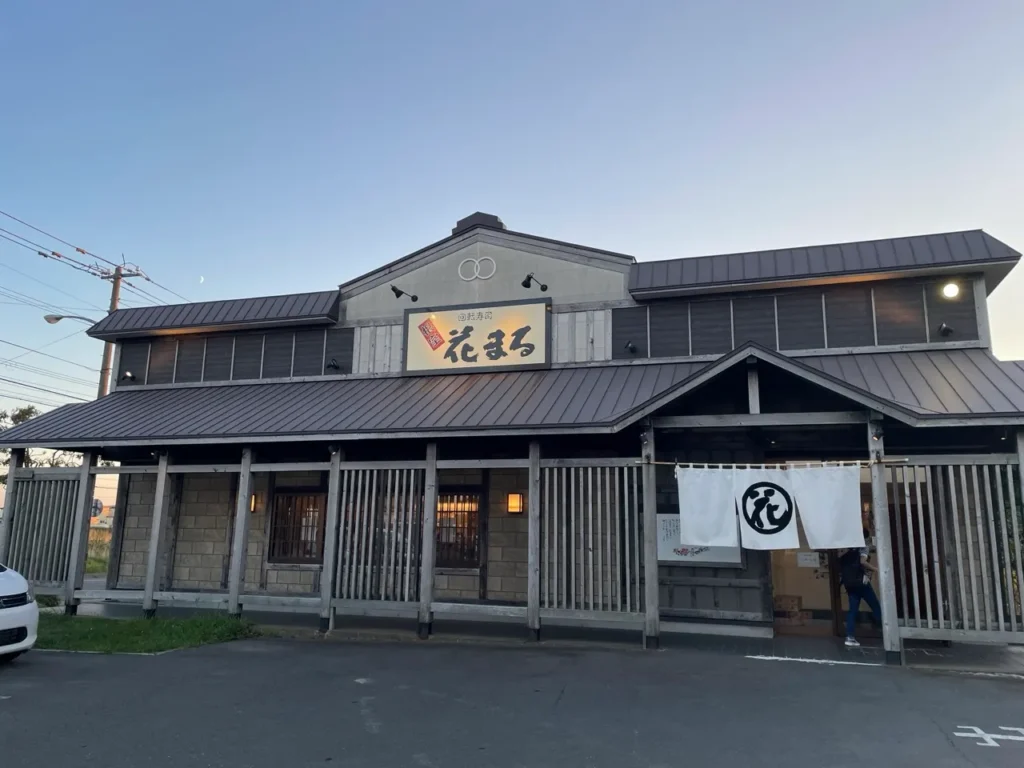
For a sushi dinner in Nemuro, Hokkaido, I would put Nemuro Hanamaru’s original restaurant (回転寿司 根室花まる 根室店) high on my list. This is where the restaurant group began, and a meal here offers a chance to explore its roots through sushi and comforting hot dishes in a port city.
For this dinner-focused guide, I have selected eight dishes: kombu-cured red shrimp, chawanmushi, clam soup, octopus zangi, seared fatty salmon, seared engawa, yellowtail, and salt-cured albacore tuna. Together, they offer an appealing mix of delicate flavors, rich toppings, and warm sides.
Where Nemuro Hanamaru Began
Nemuro Hanamaru’s original restaurant opened on July 29, 1994. Its story began when the founder noticed a long queue outside a conveyor-belt sushi restaurant in another city. Seeing how happily people waited inspired a thought: “This must be what the people of Nemuro have been waiting for!”
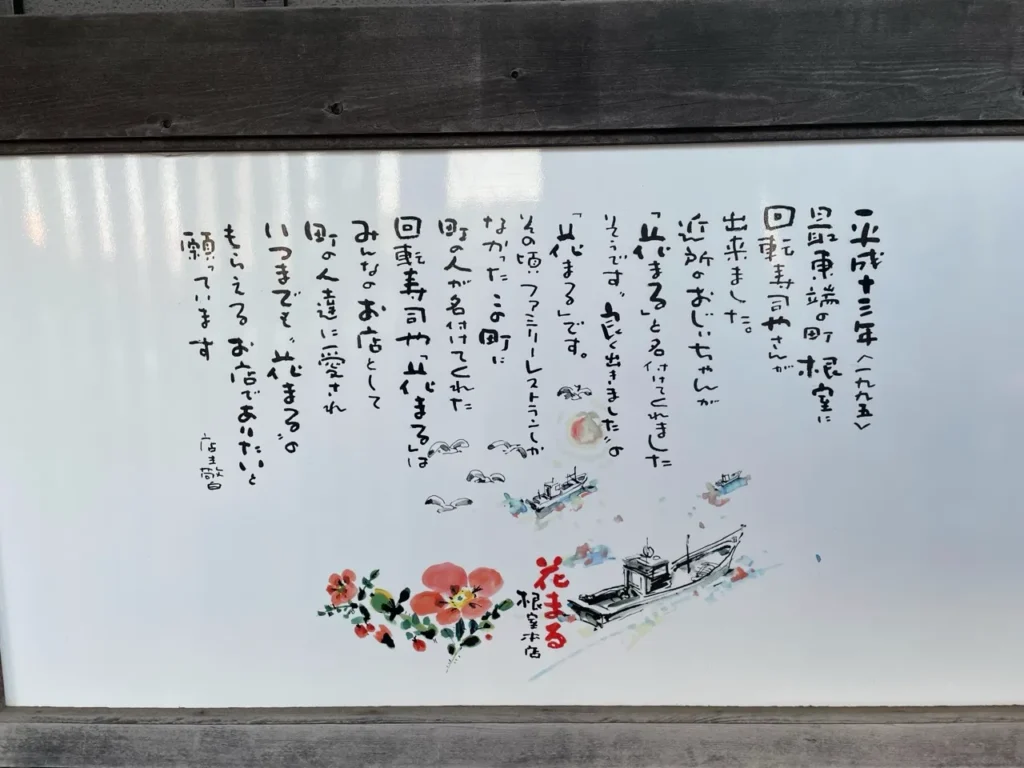
At the time, Nemuro had relatively few places where families could enjoy a casual meal out together. The aim was to create a restaurant that local people would genuinely enjoy.
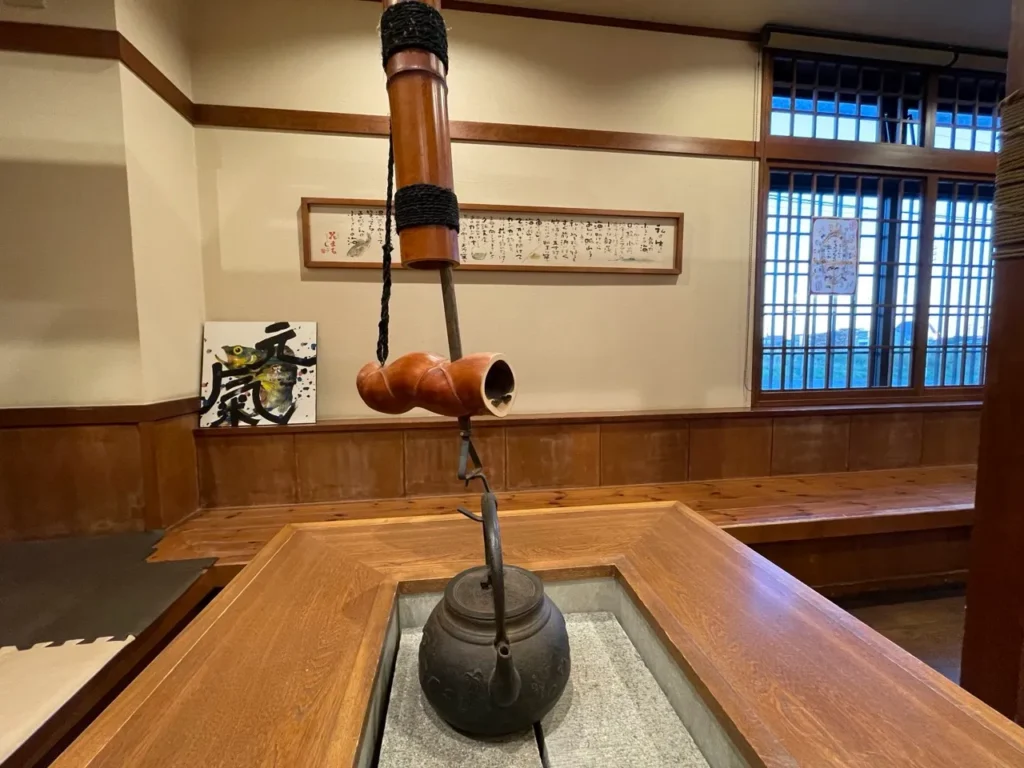
Even the name reflects that community connection: it was chosen through a public naming competition in a local newspaper. At the heart of Hanamaru’s approach are fresh seafood, with a strong emphasis on Nemuro, and a desire to leave customers feeling cheerful and energized.
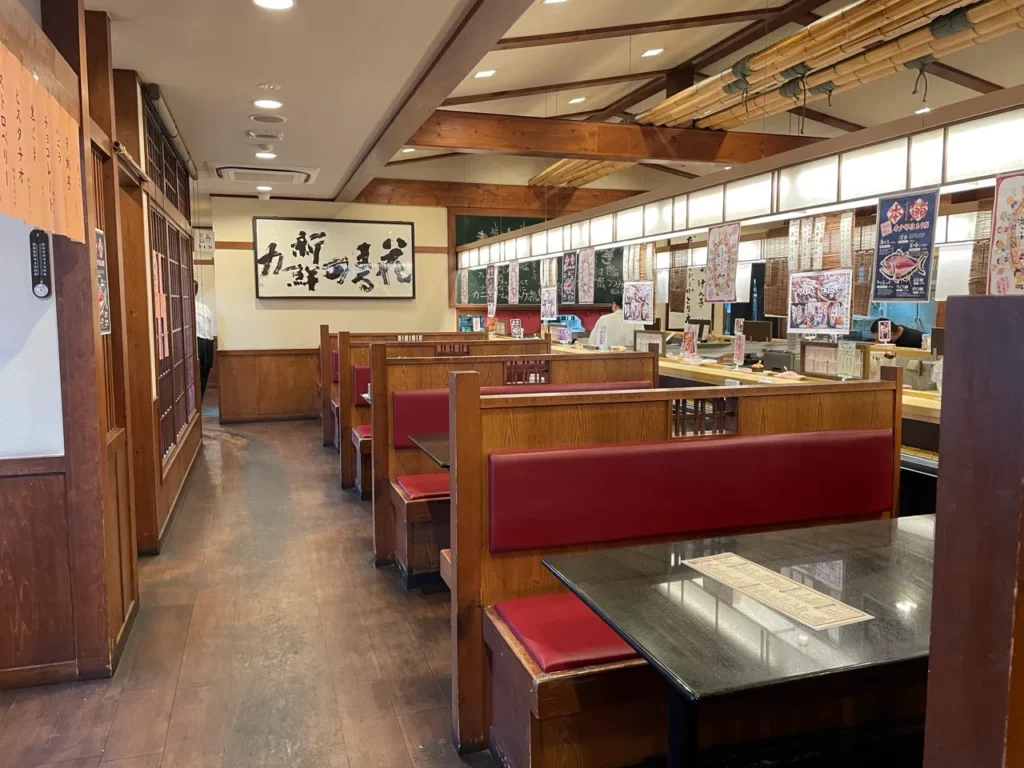
Rather than relying on unusual combinations, the restaurant embraces a traditional approach to sushi that lets the ingredients speak for themselves.
Knowing that background makes dinner here feel like more than a stop for sushi. For me, the appeal also lies in visiting the place where Hanamaru took its first steps before expanding beyond its hometown.
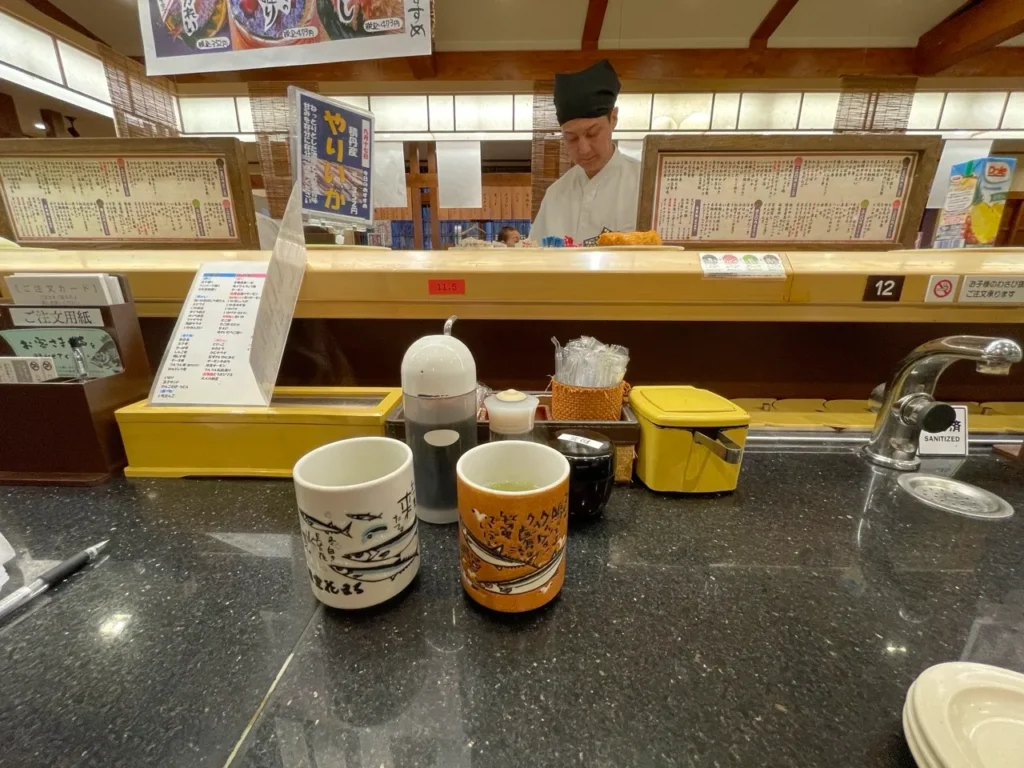
Among these eight dishes, I would begin with the kombu-cured red shrimp, then explore the contrast between salt-cured albacore and yellowtail.
Kombu-cured red shrimp
The pale reddish color and glossy flesh of the red shrimp suggest a naturally sweet bite. What interests me about the kombu-curing treatment is the prospect of that sweetness meeting the savory depth of kelp.
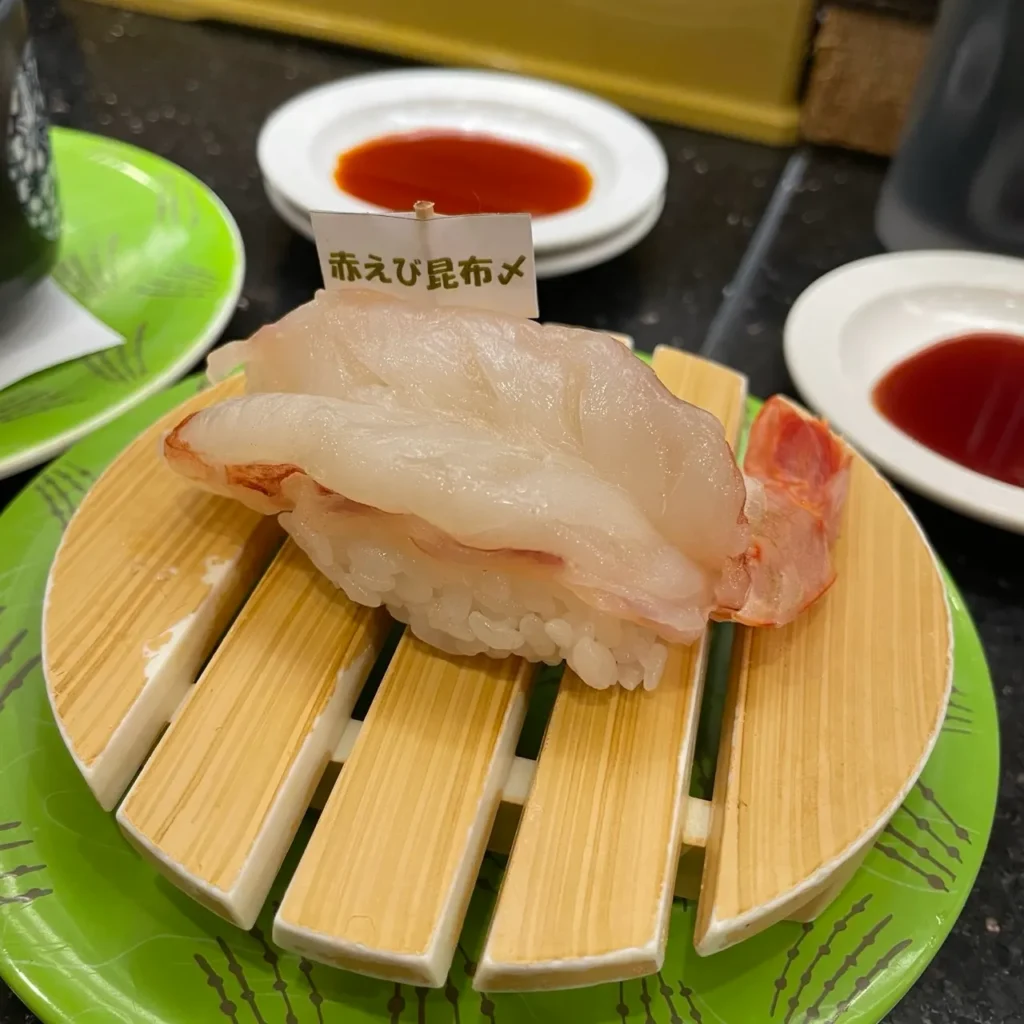
I would expect a pleasing contrast in texture: an initial springiness followed by a softer, more lingering mouthfeel. It is a dish that invites attention to subtle flavors rather than bold seasoning.
Salt-cured albacore tuna
Salt-cured albacore offers a quieter kind of appeal. Its pale flesh suggests a tender texture and gentle richness, while the curing process promises a more clearly defined savory flavor.
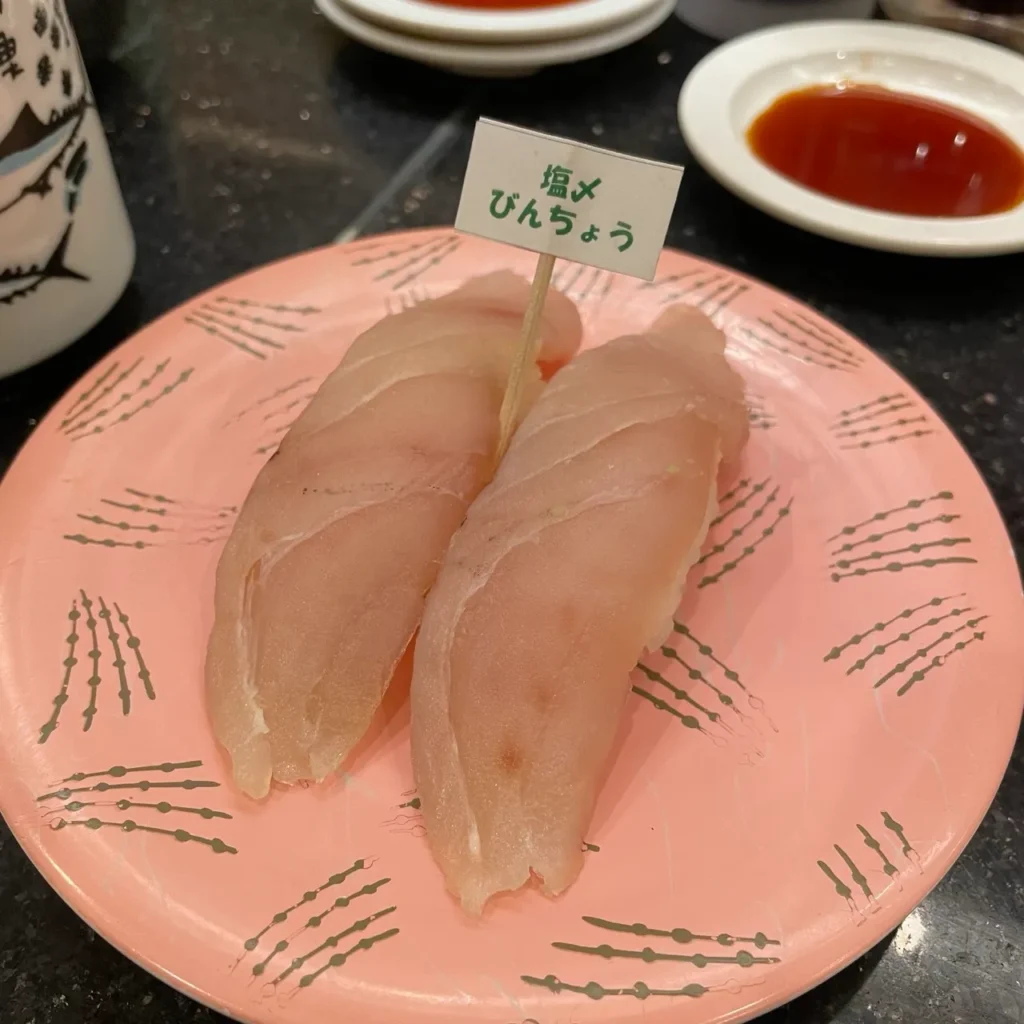
I would start with very little soy sauce, allowing the fish and its preparation to take center stage. Beside the kombu-cured shrimp, it offers an interesting opportunity to consider how two different curing methods bring out the character of their ingredients.
Yellowtail
Yellowtail, or hamachi, adds a firmer, richer note to this selection. Its appeal lies in the anticipated springiness of the flesh and the satisfying richness released with each bite.
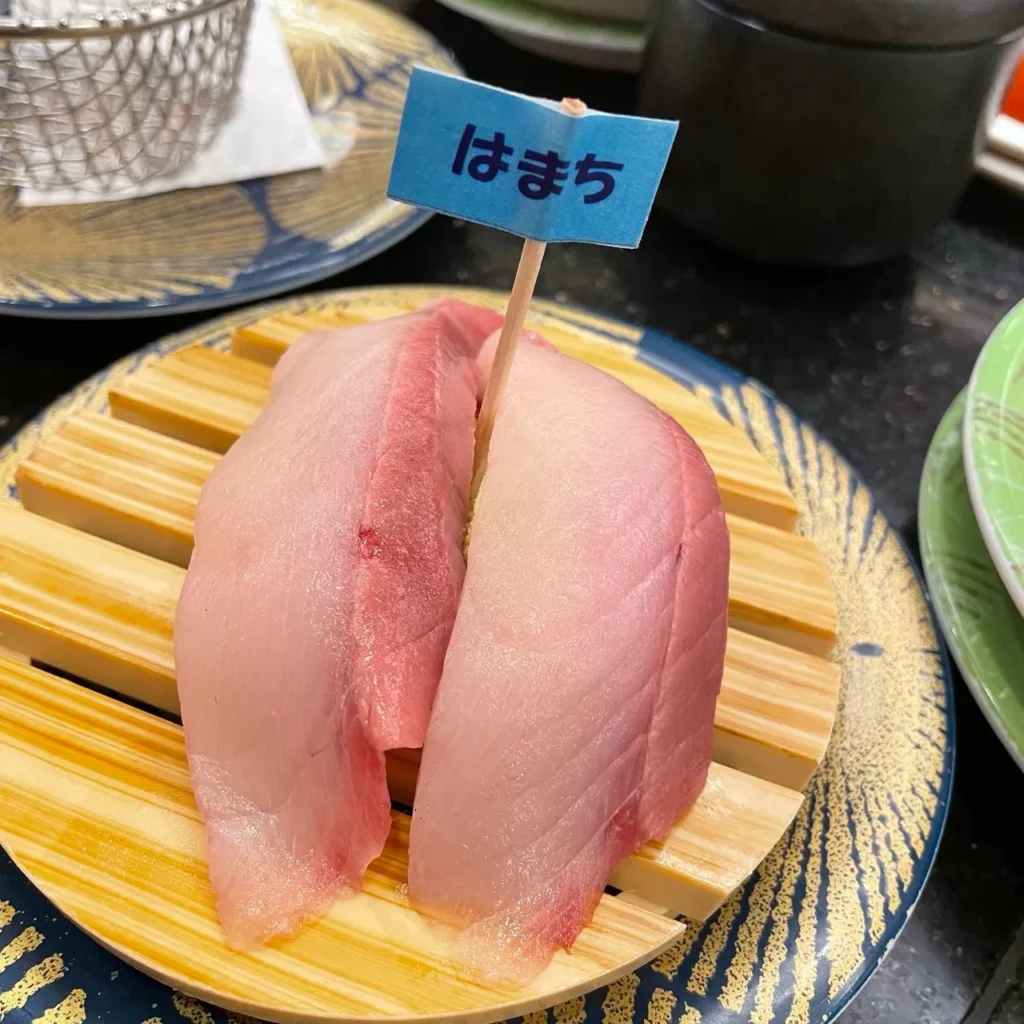
Together, these three sushi choices create a varied opening: layered savory flavor from the shrimp, softness from the albacore, and a more substantial bite from the yellowtail.
Two Seared Sushi Highlights
Seared fatty salmon and seared engawa shift the meal toward richer flavors and toasted aromas. Although both use the same broad preparation, their contrasting textures make them an appealing pair.
Seared fatty salmon
With seared fatty salmon, I am drawn to the contrast between the vivid orange flesh and the paler surface touched by heat.
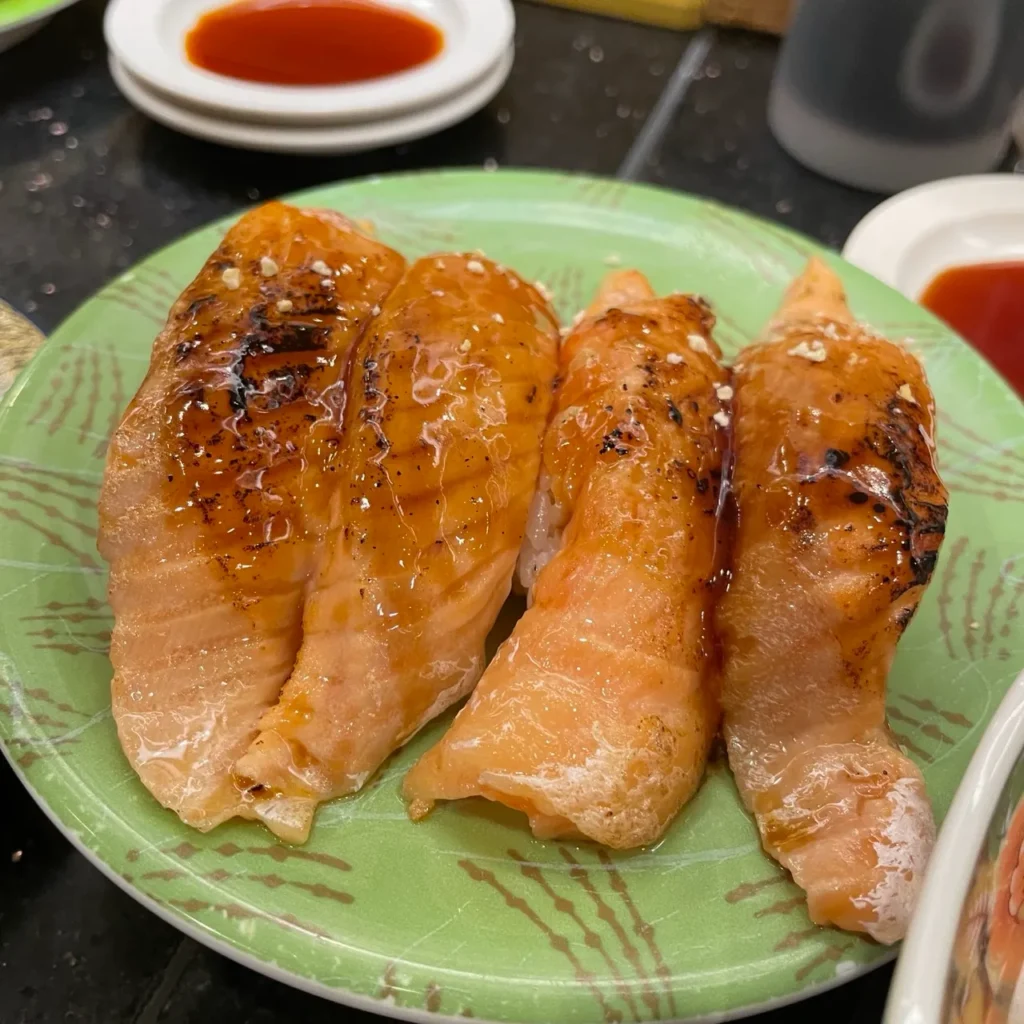
The menu name suggests a lightly toasted aroma followed by the salmon’s rich fat. A difference between the gently cooked exterior and softer interior could bring several sensations into one piece: fragrance, richness, and tenderness.
Seared engawa
Seared engawa—the fin-edge meat of a flatfish—offers a different kind of pleasure. Its pale flesh and glossy fat suggest richness, but the texture is what I would be most interested in exploring.
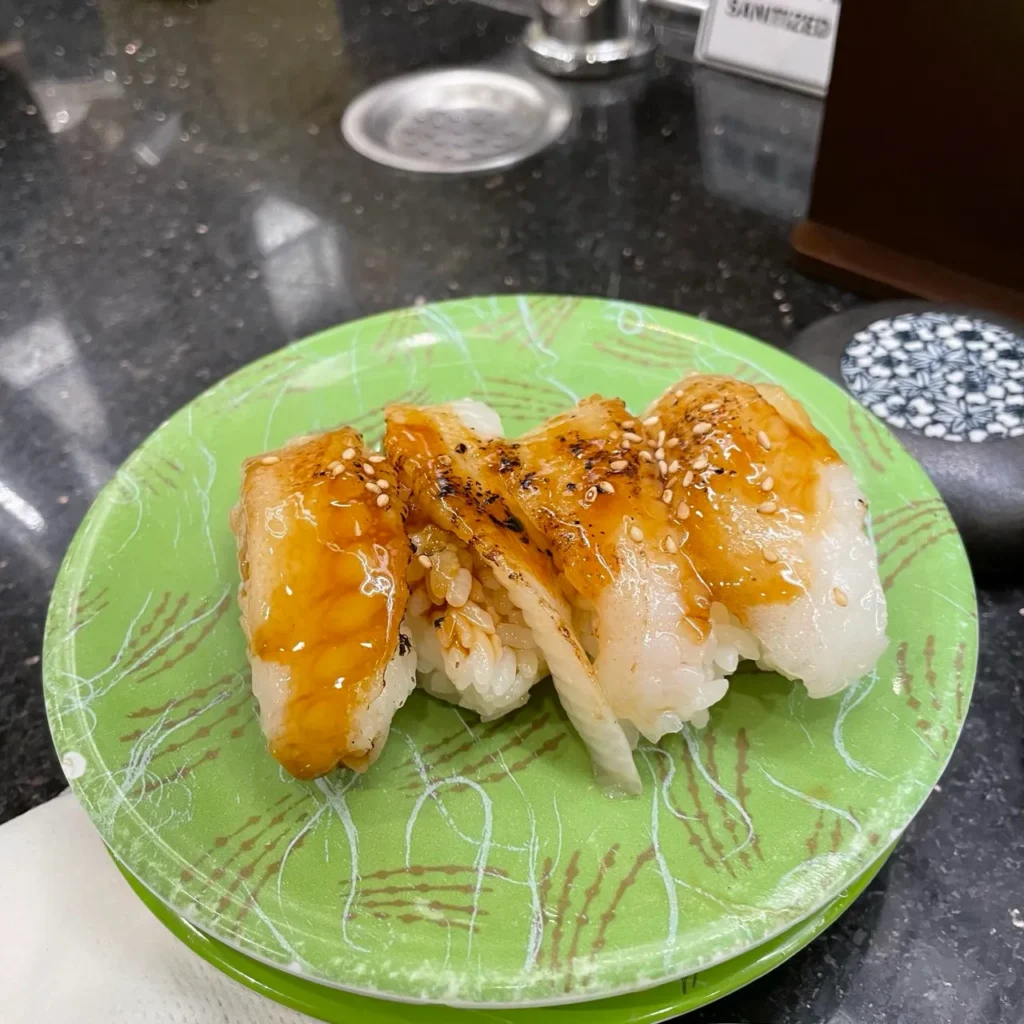
Where salmon promises softness, engawa invites a more deliberate chew. Trying the two side by side could highlight differences in both the feel of the fat and the flavor that lingers afterward.
Placed between the more delicate cured sushi and the warm dishes, these seared options give the dinner a fuller, more indulgent rhythm.
Warm Dishes Between Sushi Plates
The three warm dishes—chawanmushi, clam soup, and octopus zangi—help turn a selection of sushi into a varied dinner.
Chawanmushi
Chawanmushi, a savory steamed egg custard, is the dish I would choose for a gentle pause between sushi plates.
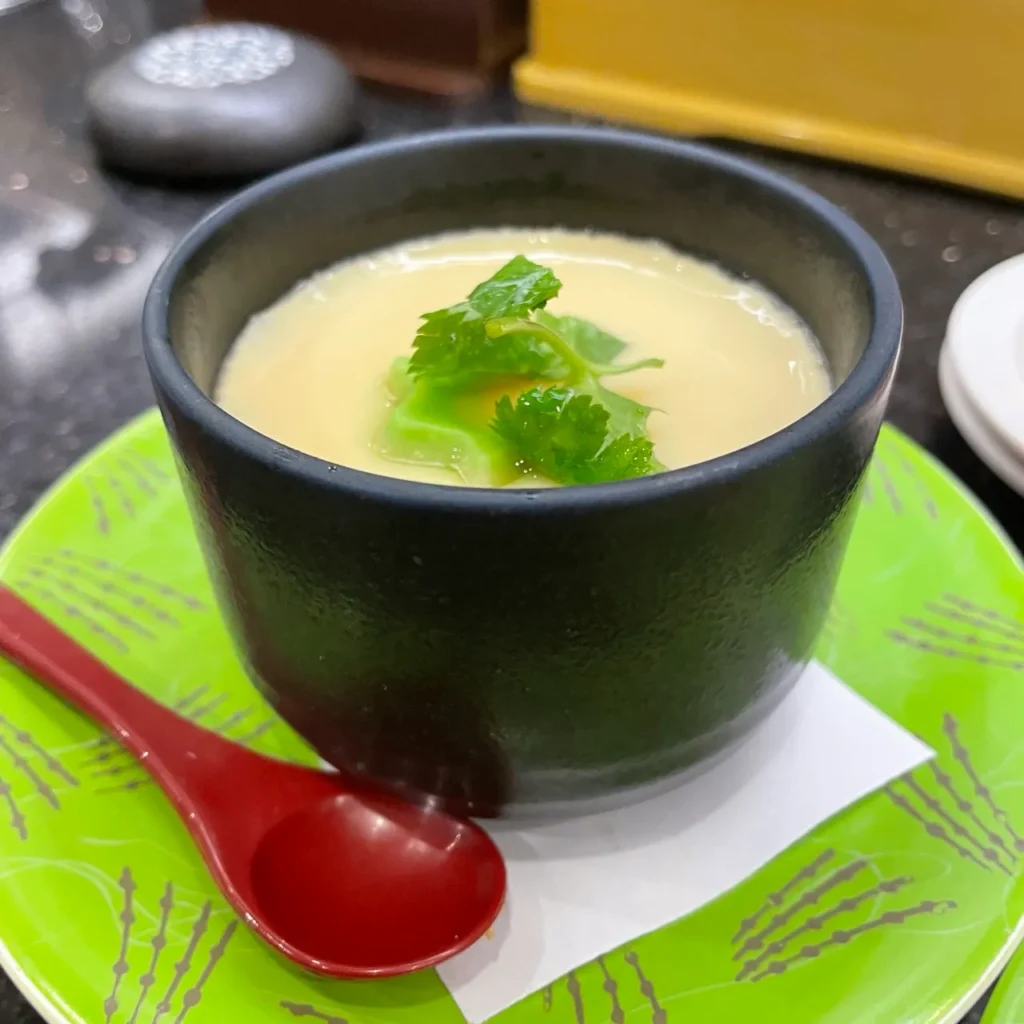
The imagined appeal lies in the steam rising as the lid is lifted, the smooth pale-yellow surface, and the softness as a spoon slips into the custard. The specific fillings have not been confirmed, but the combination of egg and broth suggests a mild, comforting interlude.
Clam soup
Clam soup offers another way to slow the pace. A warm spoonful after sushi or something fried creates a welcome change in temperature and texture.
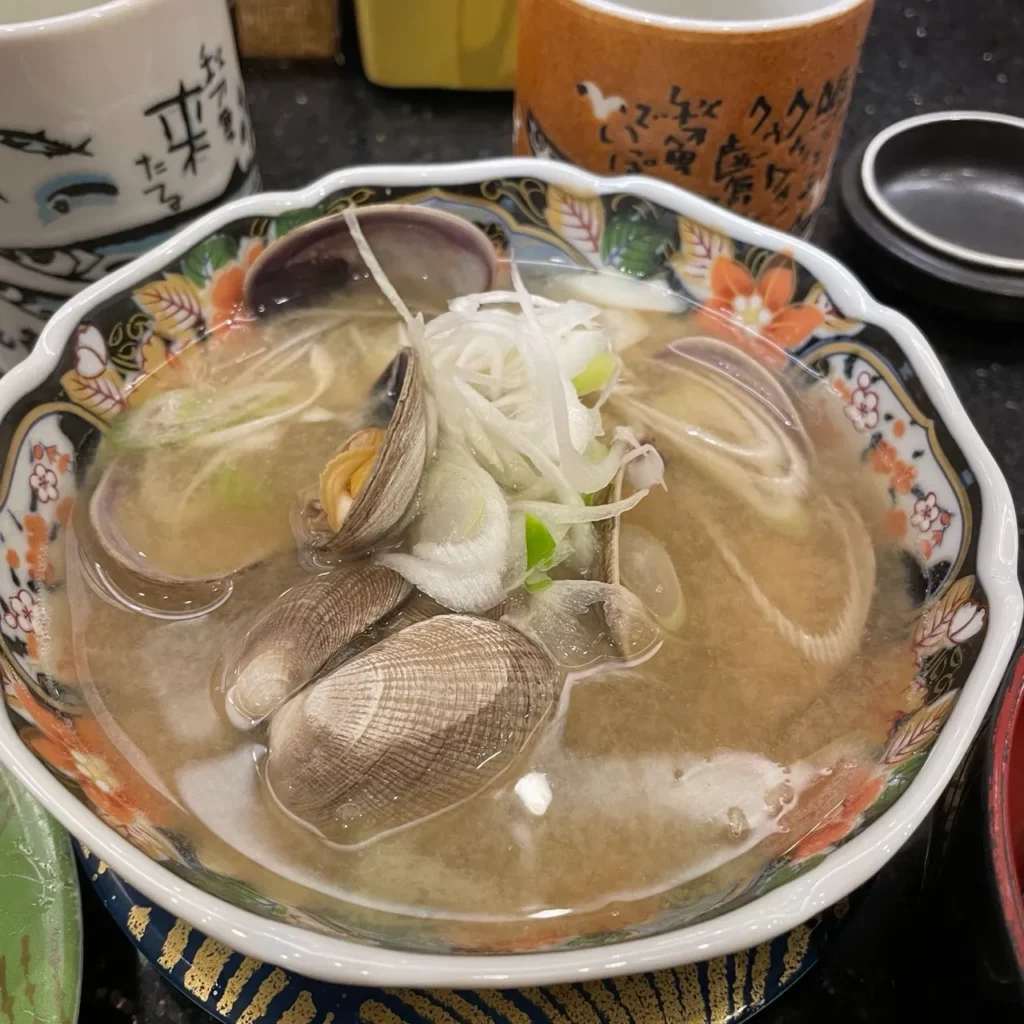
I like the idea of moving between the clams, the savory broth, and the next piece of sushi. Rather than competing with the other dishes, this bowl helps bring the meal together.
Octopus zangi
Octopus zangi adds a livelier contrast. This fried dish promises the savory aroma of its coating alongside the distinctive chew of octopus.
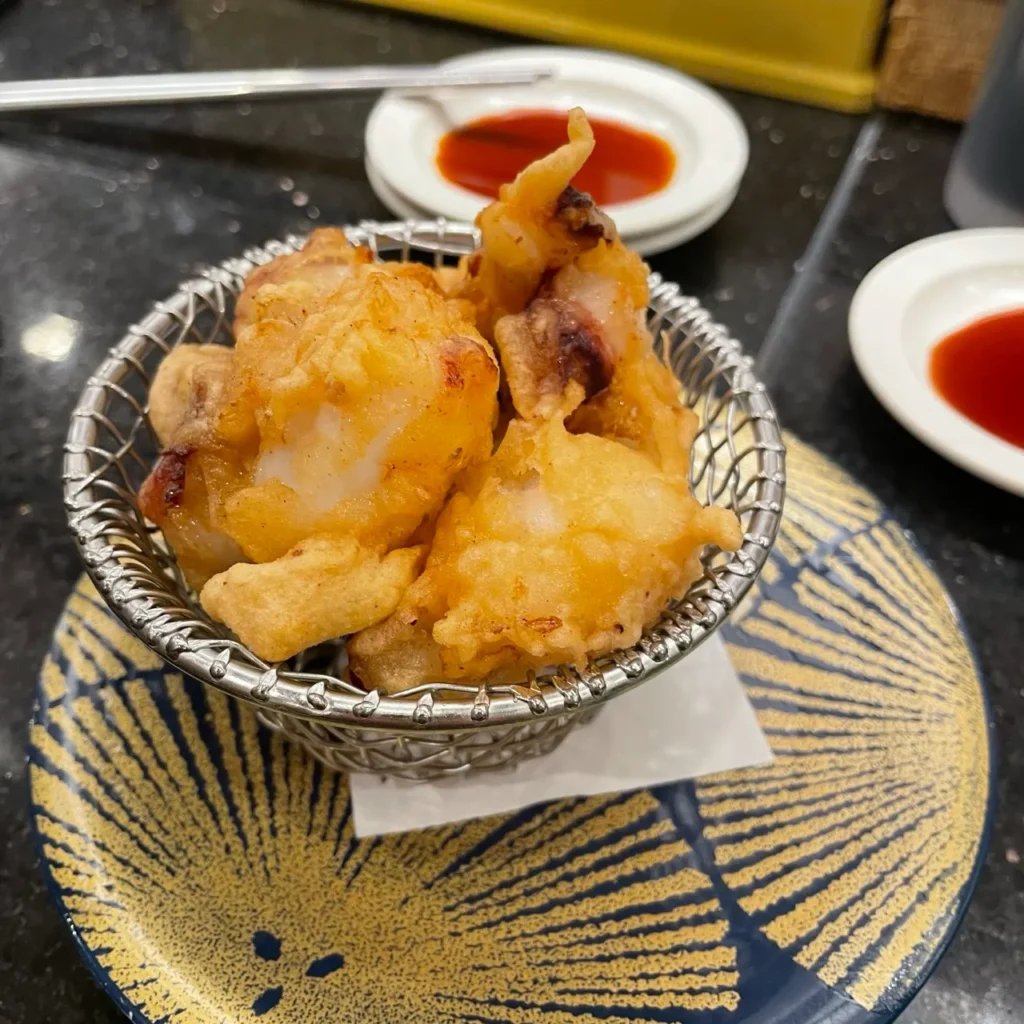
What I would look forward to is the shift from a crisp exterior to a springy bite underneath. Its warmth and texture make it a useful counterpoint to the sushi—and a reason not to limit dinner to nigiri alone.
Reviews and Visiting Information
Published reviews of the Nemuro restaurant include praise for the freshness and size of the sushi toppings, the flavor of local fish, and satisfaction with value for money. Some reviewers also mention freshly fried zangi and chawanmushi, suggesting that the warm dishes are part of the restaurant’s appeal.
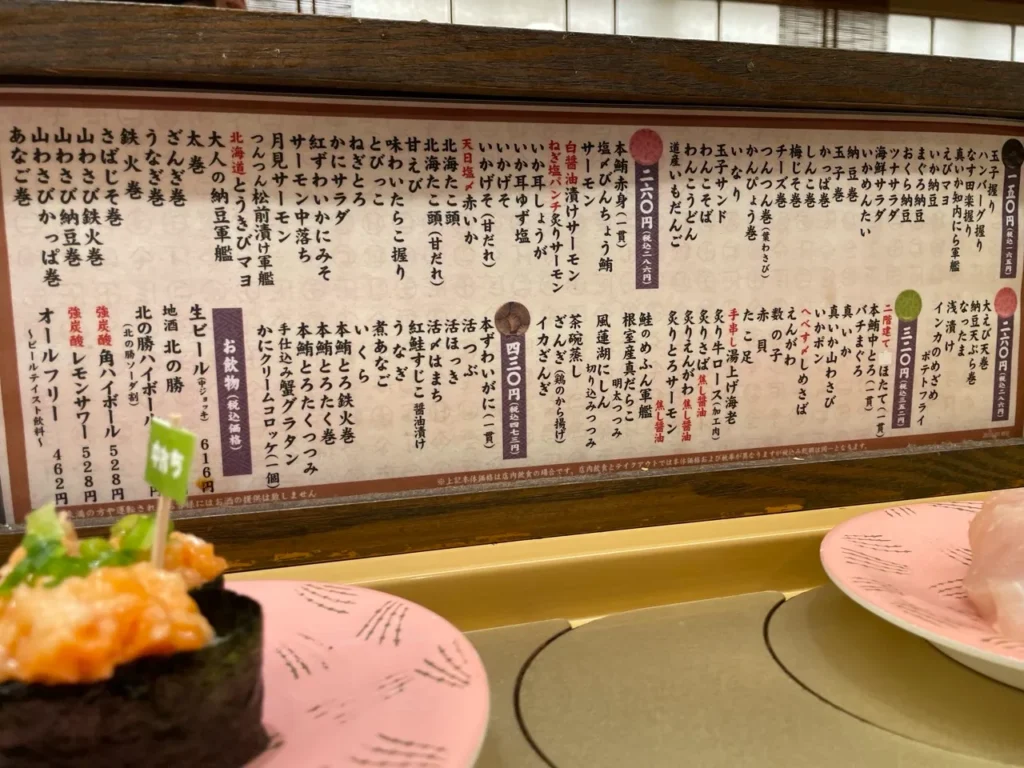
I would treat those reviews as impressions from particular visits, rather than guarantees of current prices or menu offerings.
The eight dishes in this guide offer a balanced way to explore the restaurant: kombu- and salt-cured sushi for subtle savory flavors, yellowtail for a firmer bite, seared toppings for richness, and warm sides for contrast.
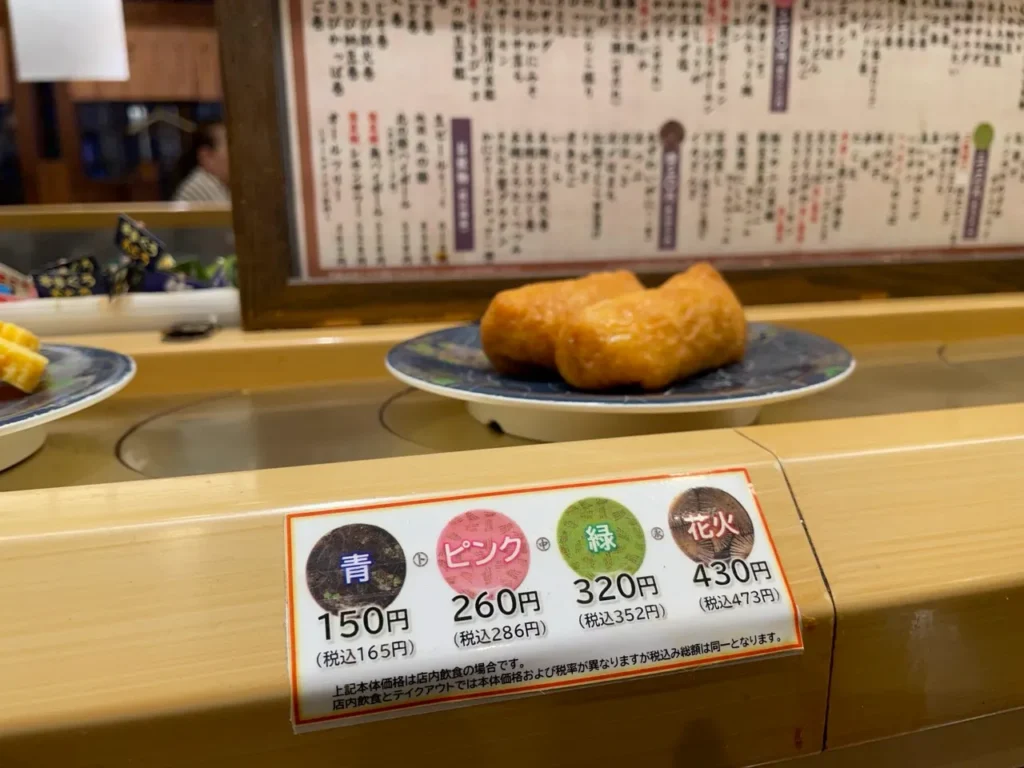
| Visiting detail | Information provided |
|---|---|
| Restaurant | Conveyor-belt Sushi Nemuro Hanamaru, Nemuro Branch |
| Address | 9-35 Hanazono-cho, Nemuro, Hokkaido, Japan |
| Listed opening hours | 11:00 a.m.–9:00 p.m. |
| Listed last order | 8:45 p.m. |
| Reservations | Seat reservations are not accepted |
For an evening visit, I would leave plenty of time to enjoy both the sushi and the warm dishes without rushing. The attraction of dinner at the original Nemuro Hanamaru is not simply the number of plates—it is the chance to explore the restaurant’s beginnings through a meal with a satisfying variety of flavors and textures.