“Yamamotoyama Fujie Labo Cafe”: An Evening of Rice, Seaweed, and Tea

This is our review of Yamamotoyama Fujie Labo Cafe お茶漬け 茶 甘味 山本山 (Maps), visited in May 2026.
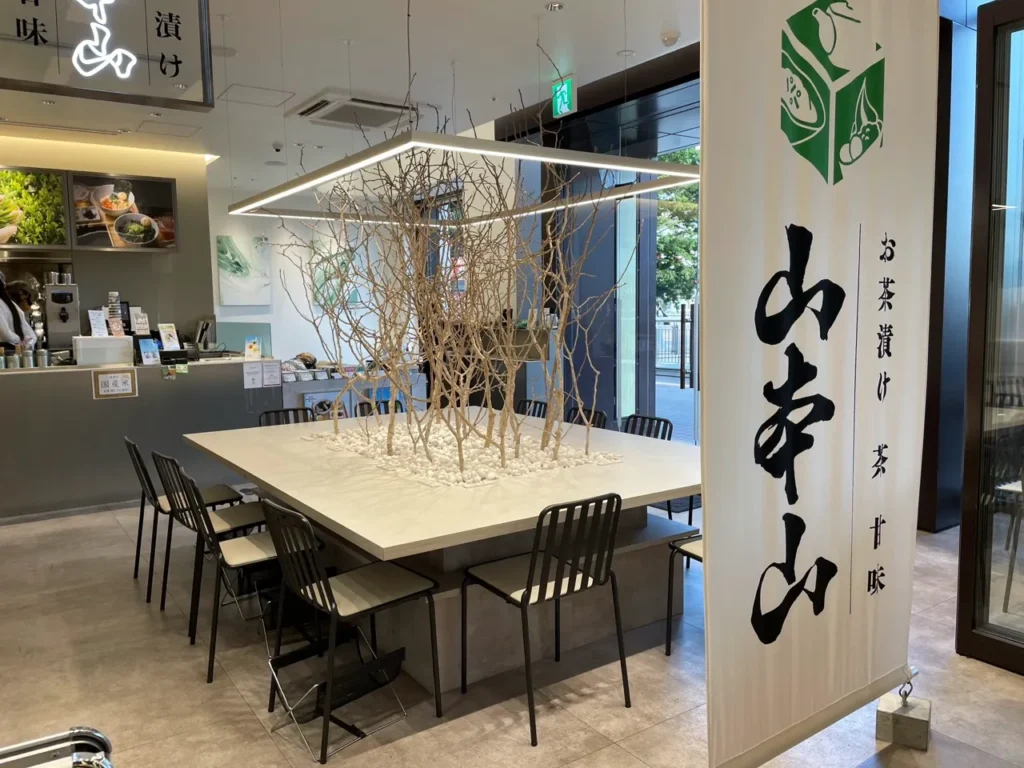
Yamamotoyama is an established brand with roots in seaweed and tea, and its food formats include “Ochazuke Onigiri” and “Ochazuke, Tea, and Sweets Yamamotoyama,” often found in station-adjacent locations. Depending on the store, hours may vary, but the appeal lies in its convenient access and extended service times, with some locations open from early morning until late at night, making it suitable for dinner as well.
The concept behind the restaurant and its appeal at dinner
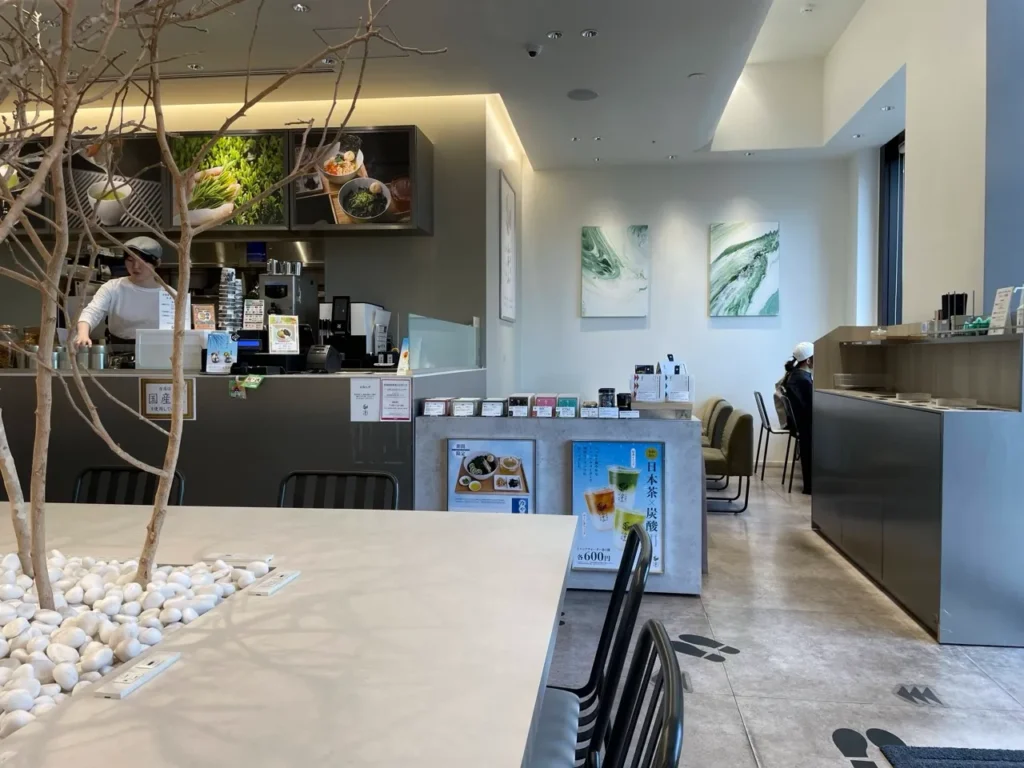
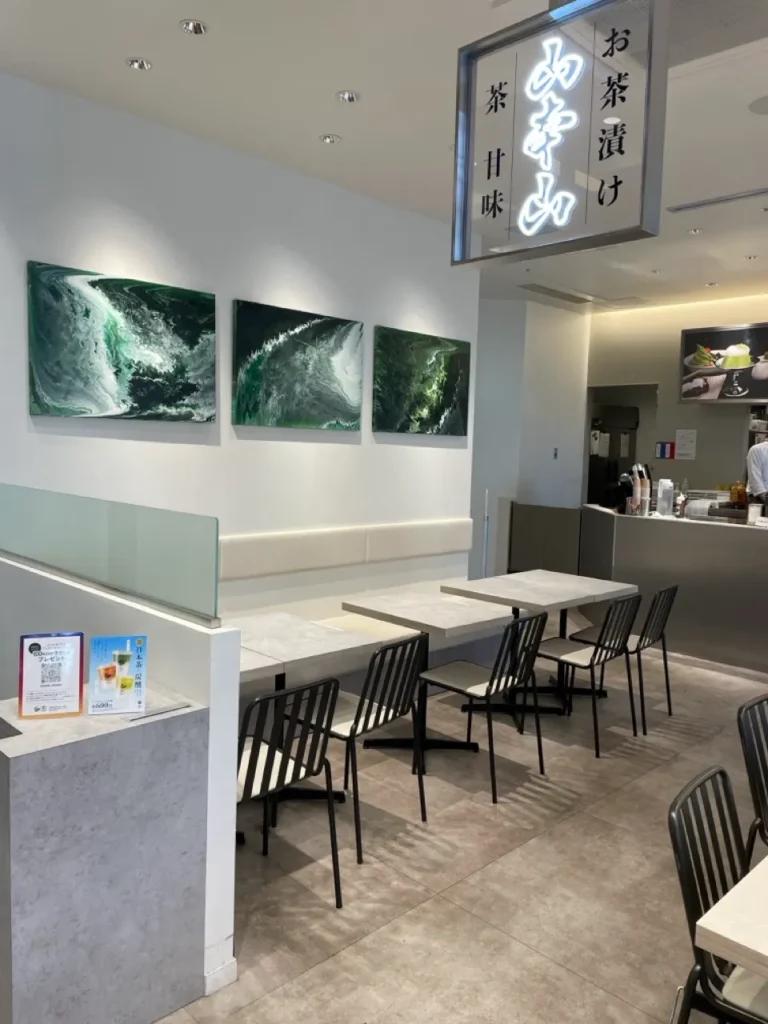
Yamamotoyama’s dining concept makes full use of its core identity as a seaweed and tea brand, offering dishes that emphasize both ease and the quality of ingredients, aroma, and flavor. In the evening, the atmosphere feels casual but refined, with a careful, almost artisan-like attention to detail that makes it a comfortable choice for a light dinner, a final meal after drinks, or a small late-night bite.
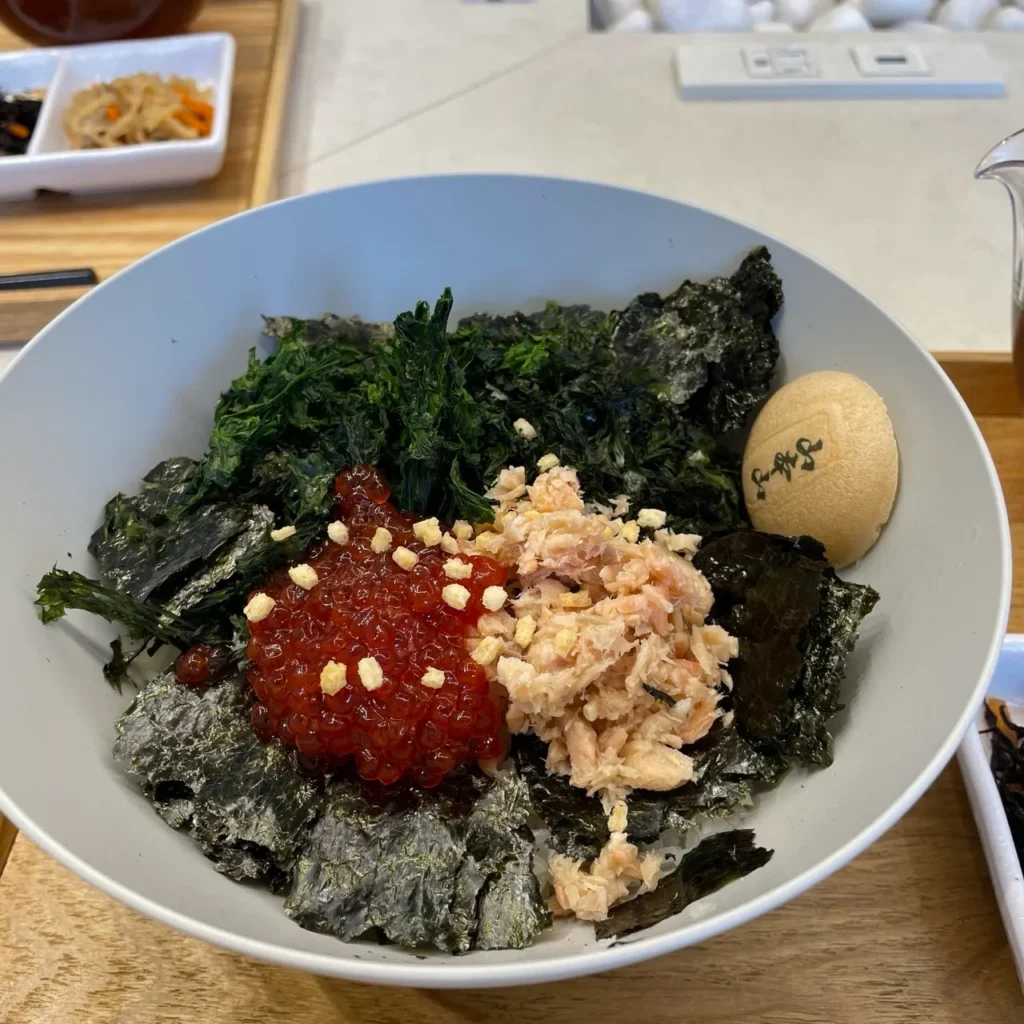
Noridaku Salmon and Ikura Ochazuke 海苔だく鮭いくら茶漬け
What first catches the eye is the generous layer of seaweed, true to the restaurant’s “noridaku” style. As soon as the broth is poured, steam rises and the aroma of seaweed spreads gently through the air. The pale orange of the salmon flakes and the glossy red-orange of the salmon roe stand out beautifully against the black-green seaweed, creating a dish that looks especially striking in the evening.
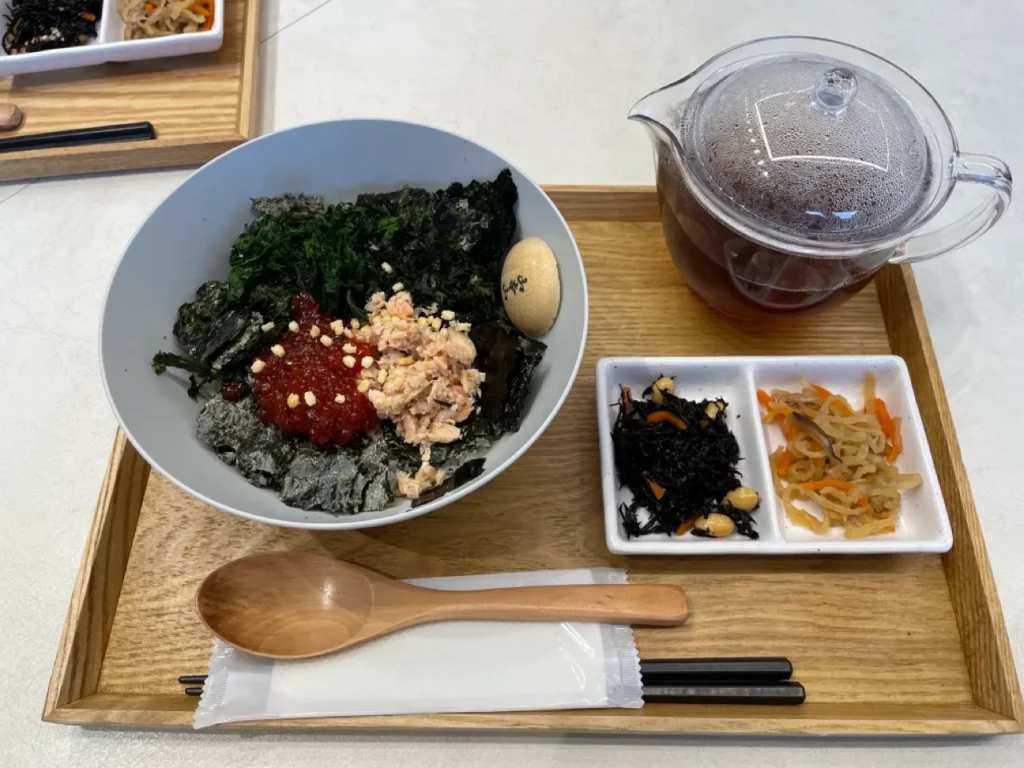
The first thing you notice is the mild umami of the broth, followed by the fragrance and savoriness of the seaweed. The salmon adds a gentle saltiness and meaty richness, while the salmon roe brings a popping texture and a deeper oceanic flavor. The overall result is a well-balanced bowl in which broth, seaweed, and seafood come together without feeling too heavy, making it a satisfying choice for dinner.
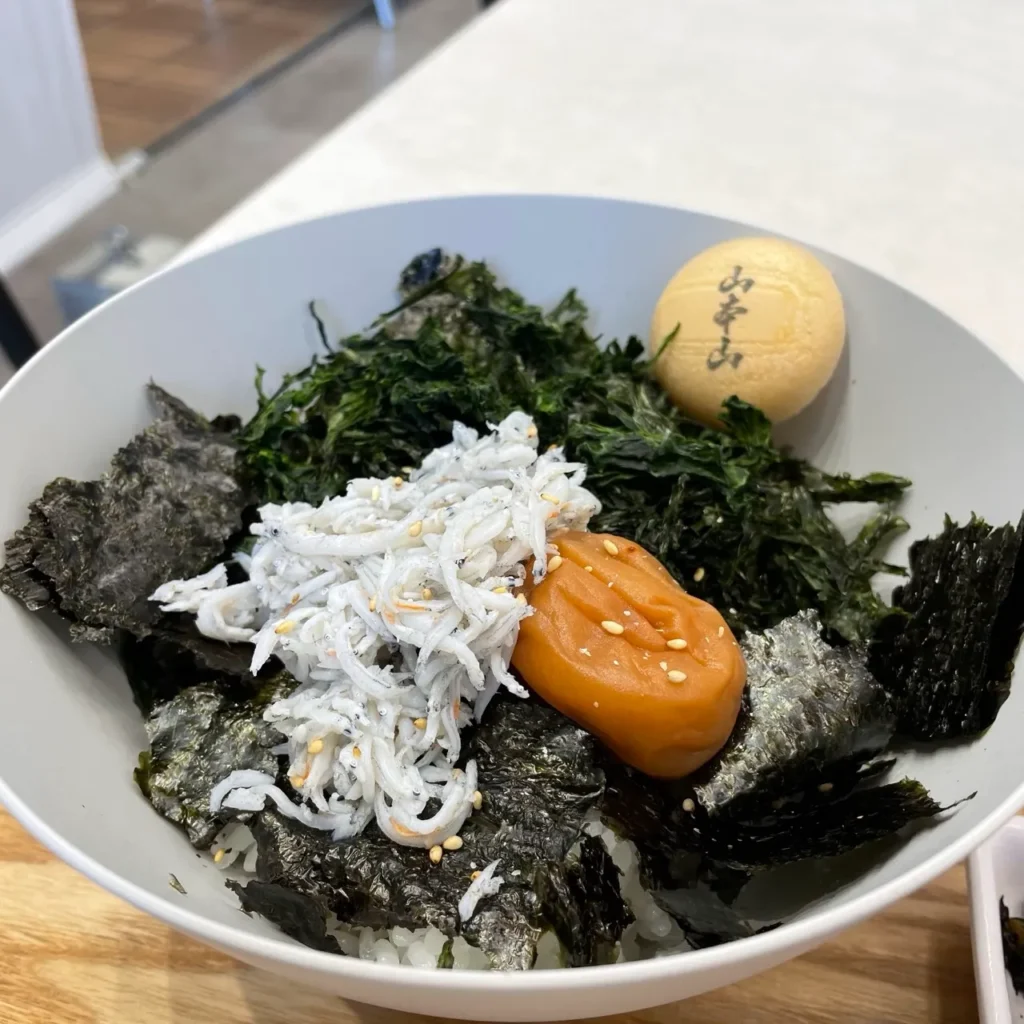
Noridaku Plum and Shirasu Ochazuke 海苔だく梅しらす茶漬け
The plum and shirasu combination has a fresh, light appearance, with the soft pink of the plum and the white of the tiny fish standing out against the seaweed. The rising steam carries a subtle plum aroma that naturally stimulates the appetite. Seaweed remains the star here as well, while the plum’s brightness and the broth’s warmth reinforce one another.
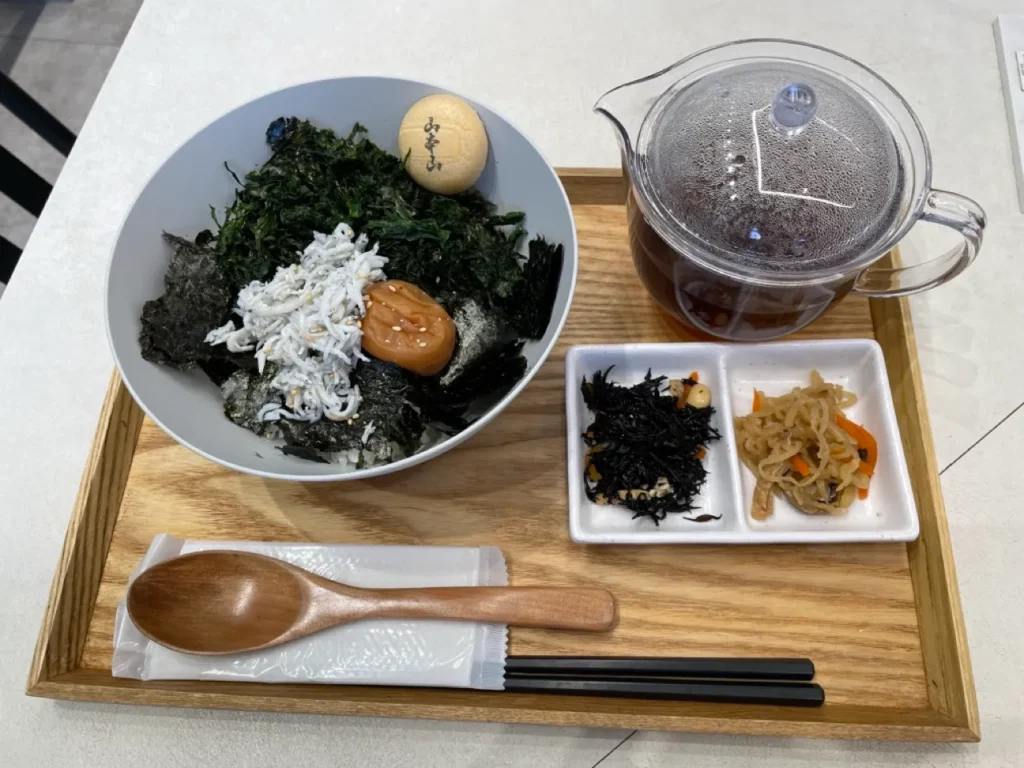
The first impression is the refreshing acidity of the plum, but once the broth is added, the sharpness softens and the saltiness of the shirasu and the umami of the seaweed come through afterward. The shirasu has a tender texture that blends smoothly with the rice and broth, while the plum keeps the dish light and clean-tasting. It is especially well suited to the end of a meal or after drinking, since it leaves you feeling satisfied without being overly heavy.
The details that matter — broth, rice, and seaweed
What defines Yamamotoyama is the quality of its broth and the selection of its seaweed. The broth is designed with a tea-shop sensibility, keeping saltiness restrained while bringing out a rounded savory depth, and when poured over the rice, it blends with the seaweed to create a unified flavor. The rice is prepared so that it maintains a pleasant balance of stickiness and grain definition, allowing it to hold up well even after the broth is added.
What reviews suggest
Reviews of its dishes often mention that the balance of seaweed and broth is excellent, though the pricing may feel slightly premium. Reviews on sites like Tabelog and blog posts often highlight the convenience of the station location and the reassurance of a long-established brand, which helps make it a place people return to. At the same time, some comments note crowding at busy hours and a somewhat takeout-oriented feel, so visiting during quieter times is probably best if you want to enjoy the seating area at a relaxed pace.
Recommended way to eat it at dinner
- For the Noridaku Salmon and Ikura Ochazuke, start with a small amount of broth to appreciate the aroma of seaweed, salmon, and roe, then add more broth gradually to enjoy the changes in temperature and fragrance.
- For the Noridaku Plum and Shirasu Ochazuke, add broth in stages so you can adjust the acidity of the plum while keeping a good balance with the saltiness of the shirasu.
- For dinner, ordering one bowl each and sharing them is also a nice option. Paired with a light side dish, it makes for a deeply satisfying yet gentle meal.tabizine
Atmosphere, price range, and overall impression
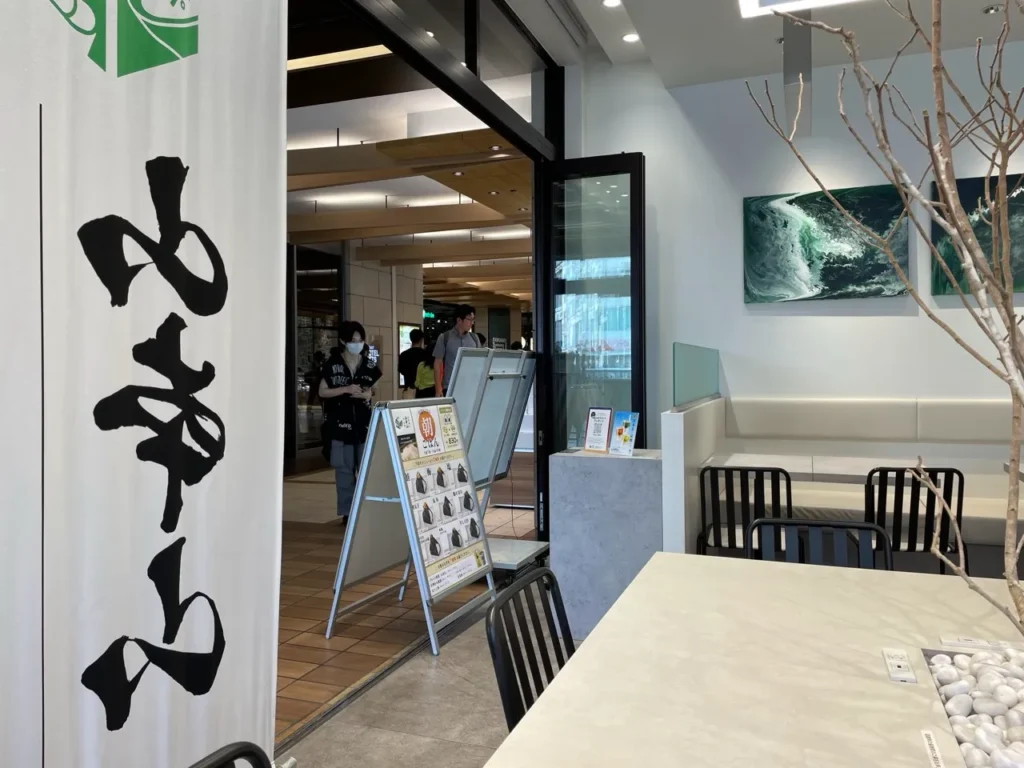
The station-area stores of Yamamotoyama are casual and efficient, and prices generally fall in the 1,100 to 1,500 yen range depending on the menu, which many reviewers feel is reasonable for a long-established brand and the quality of the ingredients. For dinner, it is especially well suited to people looking for a light but satisfying end to the day, and it is a strong choice for anyone who values the aroma of seaweed and the gentle depth of a well-made broth.